Customer Experience
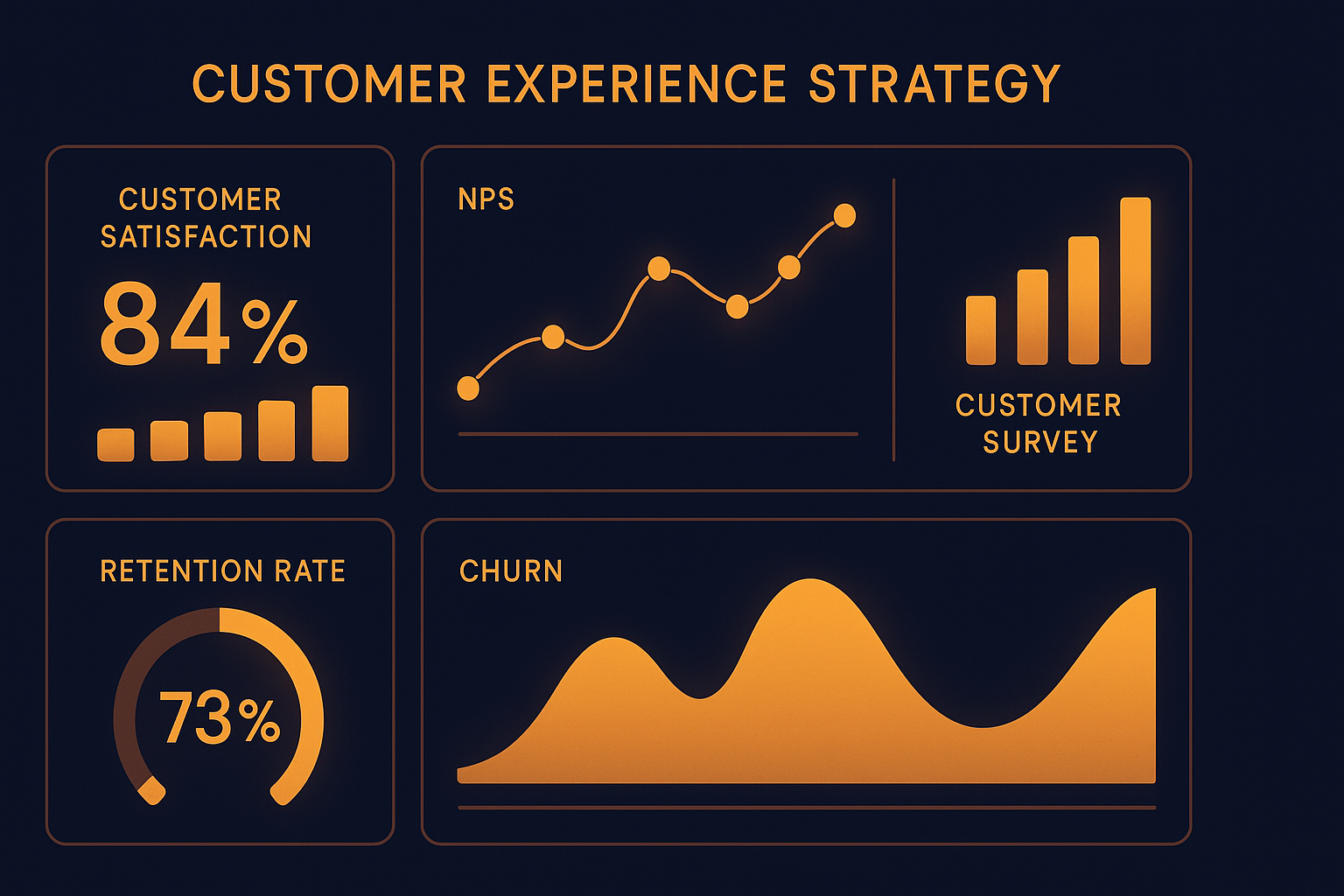
Measuring Success with Customer Experience Strategy: KPIs That Matter
Introduction
In a world where customer expectations continually evolve, understanding how to measure the effectiveness of your customer experience (CX) strategy is crucial. According to a report by McKinsey, companies that excel in customer experience outperform their competitors in revenue growth. However, the challenge lies in identifying the right key performance indicators (KPIs) that truly reflect your CX success.
This article outlines the most relevant KPIs to consider when evaluating your customer experience strategy and provides actionable steps for implementation.
Understanding Customer Experience KPIs
KPIs are quantifiable metrics that help organizations gauge their performance in achieving key objectives. In the context of customer experience, these metrics should focus on customer satisfaction, retention, and overall engagement.
While there are countless KPIs available, it’s essential to focus on a few that align with your specific goals and overall strategy. Here are some KPIs that matter:
1. Net Promoter Score (NPS)
NPS measures customer loyalty and satisfaction by asking a single question: "How likely are you to recommend our product/service to a friend or colleague?" Respondents rate their likelihood on a scale of 0-10. Based on their responses, customers are categorized as promoters, passives, or detractors.
Why it Matters: NPS provides insight into customer sentiment and loyalty. A higher NPS indicates a strong likelihood of repeat business and referrals, which can significantly boost your bottom line. Companies like Apple and Amazon use NPS as a key metric to drive improvements in their customer experience strategies.
2. Customer Satisfaction Score (CSAT)
CSAT is a straightforward metric that measures customer satisfaction with a specific interaction or overall experience. Typically, customers are asked to rate their satisfaction on a scale of 1-5 or 1-10 after an interaction, such as a purchase or customer service call.
Why it Matters: CSAT scores allow you to quickly assess how well you're meeting customer expectations. Tracking CSAT over time helps identify trends and areas for improvement. For example, if a sudden drop in CSAT is observed after a product update, it may indicate issues that need immediate attention.
3. Customer Effort Score (CES)
CES measures how easy or difficult it is for customers to complete a transaction or resolve an issue. Customers are typically asked to rate their experience on a scale, such as from "very difficult" to "very easy."
Why it Matters: A lower customer effort score indicates a smoother customer journey, which is directly linked to higher satisfaction and loyalty. For instance, research by CEB shows that customers who find it easy to interact with a company are more likely to repurchase.
4. Churn Rate
Churn rate indicates the percentage of customers who stop doing business with you over a specific period. This KPI is critical for assessing the long-term health of your customer base.
Why it Matters: Understanding churn can help you identify problem areas in your customer experience. For example, if customer churn spikes after a new pricing model is introduced, it might signal that the new structure doesn't resonate with your customers.
5. Customer Lifetime Value (CLV)
CLV estimates the total revenue a customer is expected to generate throughout their relationship with your business. This metric combines the average purchase value, frequency of purchases, and customer lifespan.
Why it Matters: By analyzing CLV, you can determine the overall value of acquiring and retaining customers. High CLV indicates that your customer experience initiatives positively impact long-term customer relationships and profitability.
6. First Response Time (FRT) and Resolution Time
FRT measures the time taken for a customer to receive the first response after initiating a contact, while resolution time tracks how long it takes to resolve a customer's issue.
Why they Matter: Fast response and resolution times are directly correlated with customer satisfaction. Long wait times can lead to frustration and negatively affect customer perception. Implementing tools like an Omnichannel Inbox can help streamline responses.
Implementing and Analyzing KPIs
Gathering data for these KPIs requires the right tools and strategies. AI-powered platforms like AItocha can help automate data collection and provide insights through dashboards and analytics. Here's how you can effectively implement KPI tracking:
- Define Your Objectives: Start by establishing specific, measurable objectives related to your customer experience strategy.
- Choose Relevant KPIs: Select KPIs that align with your business goals and customer expectations.
- Automate Data Collection: Utilize tools that automate the data collection process, ensuring you have real-time insights.
- Analyze and Act: Regularly review your KPIs, looking for trends or anomalies, and take actionable steps to address any issues.
Conclusion
Measuring the success of your customer experience strategy is essential for driving improvements and fostering customer loyalty. By focusing on the right KPIs like NPS, CSAT, CES, and others, you can gain invaluable insights that lead to better decision-making and enhanced customer interactions. With the right approach and tools like AItocha’s AI & Analytics, your organization can create a culture of continuous improvement, ultimately resulting in a loyal customer base that advocates for your brand.
Key Takeaways
- Utilize KPIs like NPS, CSAT, and churn rate to gauge customer experience success.
- Implement technology solutions to streamline data collection and analysis.
- Continuously review KPIs to adapt and enhance your customer experience strategy.