Support Operations
5 Effective Ways to Reduce Ticket Volume with SaaS Support Operations
Introduction
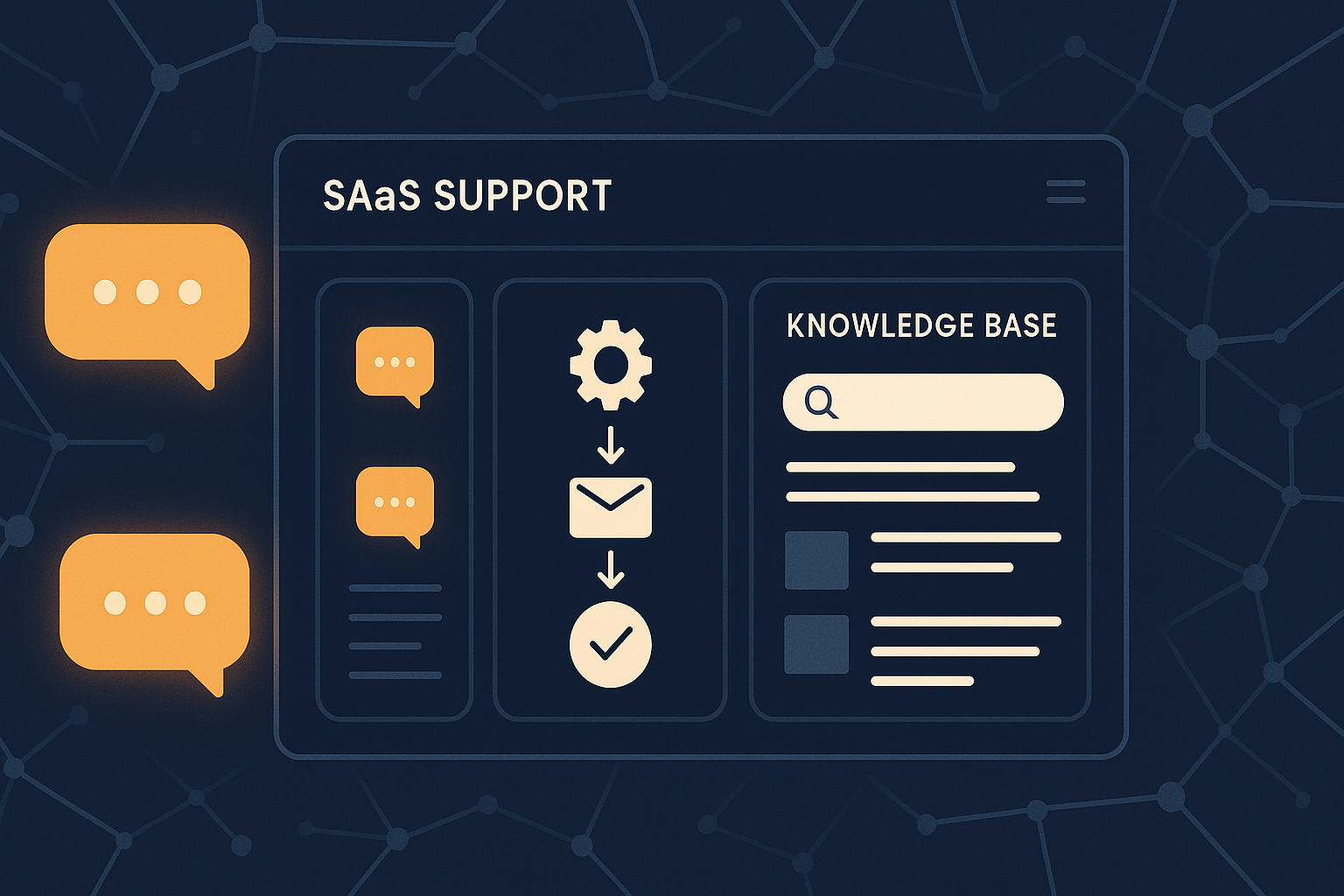
High ticket volume is one of the most common challenges SaaS support teams face, often leading to longer response times and increased operational costs. Reducing ticket volume isn’t just about having fewer customer issues—it’s about improving your entire support operation to resolve problems before they start or escalate. This article explores five practical ways to reduce ticket volume specifically tailored for SaaS support operations.
1. Build a Comprehensive, Self-Service Knowledge Base
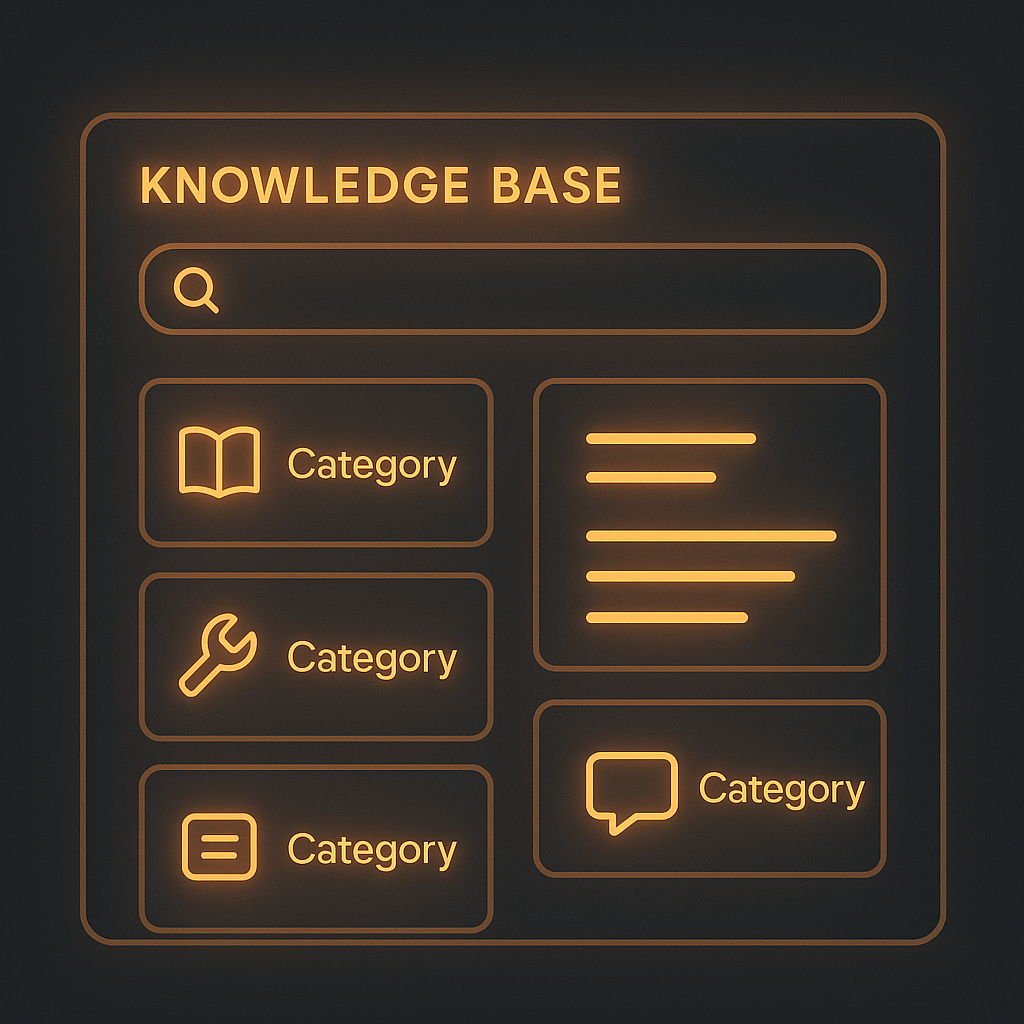
A well-structured knowledge base empowers customers to find answers without needing to submit tickets. For SaaS products, detailed guides, FAQs, troubleshooting steps, and video tutorials can drastically cut down routine inquiries.
Actionable tips:
- Organize content by user role or feature for easier navigation.
- Regularly update articles based on recurring support tickets.
- Incorporate search engine optimization so users find articles quickly.
Integrating a Knowledge Base within your support platform allows seamless transitions between self-help and agent assistance, improving customer experience while reducing ticket volume.
2. Implement AI-Powered Chatbots for Instant Support
Chatbots can handle common questions and simple tasks 24/7, guiding users through onboarding, feature use, or basic troubleshooting without human intervention.
Real example: A SaaS company deploying AI chatbots saw a 30% decrease in ticket volume within three months by automating responses to billing questions, password resets, and usage inquiries.
Using an advanced AI & Analytics solution lets you continuously improve chatbot accuracy through user interaction data.
3. Optimize Support Workflows and Automations
Efficient workflows ensure tickets are automatically categorized, prioritized, and routed to the right teams, which prevents bottlenecks and repetitive tasks. Automation can also proactively address known issues.
Steps to implement:
- Use rules to escalate tickets based on keywords or severity.
- Automate responses for status updates or common requests.
- Trigger outbound communications for issues detected by monitoring tools.
AItocha's Automations & Workflows feature offers customizable automation pipelines that reduce manual effort and ticket backlog.
4. Provide Proactive Customer Communication
Waiting for customers to report issues leads to reactive support and more tickets. Proactive communication anticipates problems and informs users before they escalate.
Examples include:
- Sending alerts during planned maintenance or outages.
- Notifying users of potential impacts from new feature rollouts.
- Sharing best practice tips based on user behavior analytics.
Proactive outreach decreases confusion and prevents multiple tickets about the same issue.
5. Use Quality Assurance and Coaching to Improve Agent Efficiency
Well-trained agents resolve tickets faster and more accurately, reducing repeat tickets and escalations.
How to achieve this:
- Regularly review and score agent interactions with QA & Coaching.
- Provide targeted training on common ticket topics.
- Encourage knowledge sharing and process improvements.
High-performing support teams reduce ticket volume by addressing root causes and providing consistent answers.
Conclusion
Reducing ticket volume in SaaS support operations requires a blend of technology, workflow optimization, and team development. Build a robust knowledge base, deploy AI chatbots, automate workflows, communicate proactively, and invest in agent quality to see meaningful improvements. These strategies not only reduce ticket volume but also enhance customer satisfaction and operational scalability.
For more insights on optimizing support operations, explore our Customer Service Solution and related best practices in our Blog Home.