Customer Experience
5 Practical Ways to Reduce Ticket Volume Through Customer Experience Strategy

Why Reducing Ticket Volume Matters for Customer Experience
Handling large volumes of support tickets can overwhelm support teams, delay responses, and frustrate customers. Yet, focusing solely on speeding up ticket resolution misses a crucial point: reducing ticket volume itself through a strong customer experience (CX) strategy can lead to better outcomes for both customers and support agents.
A proactive approach to CX not only cuts down on repeat inquiries but also builds customer trust and satisfaction. Let's explore five concrete ways to reduce ticket volume by enhancing your customer experience setup.
1. Build a Comprehensive Self-Service Knowledge Base
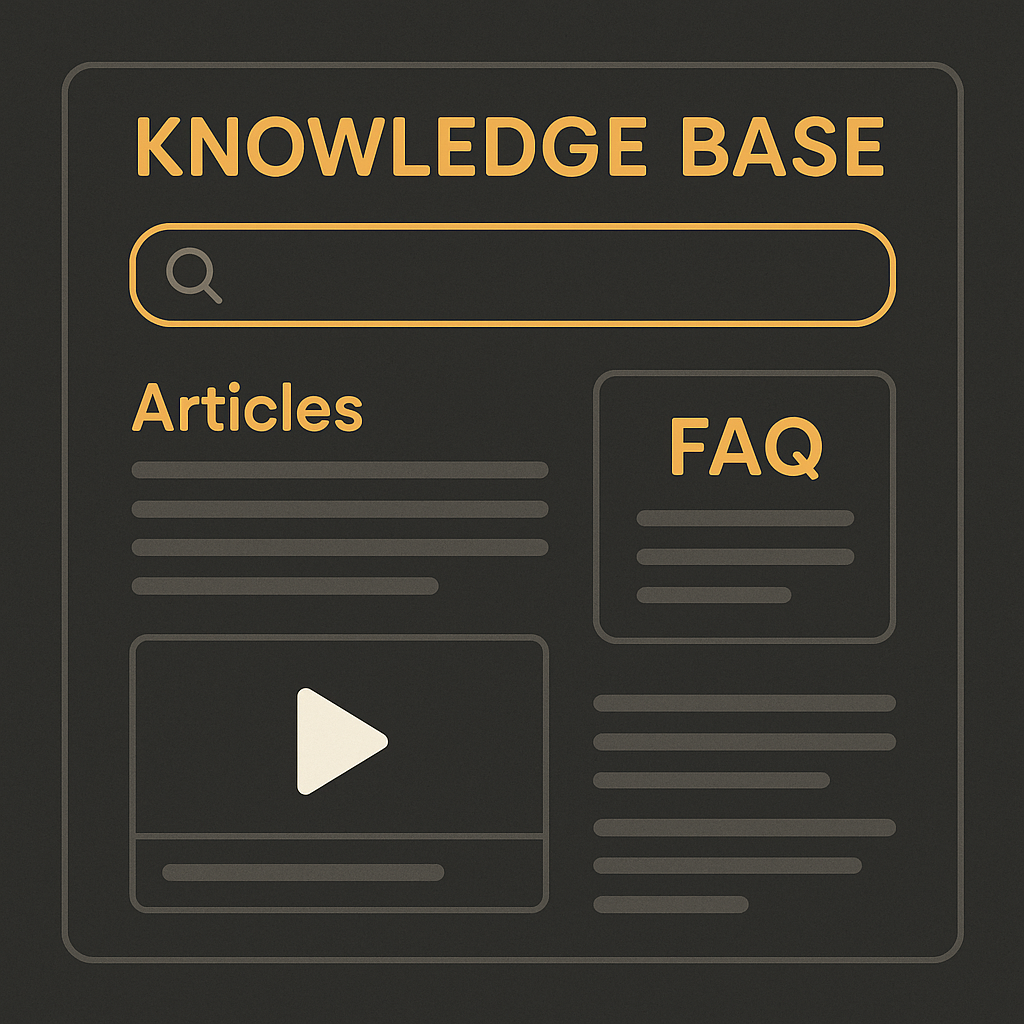
Customers often prefer finding answers on their own before contacting support. A well-organized, searchable knowledge base that covers common questions, product instructions, troubleshooting tips, and policy FAQs empowers customers to resolve issues independently.
Example: A SaaS company noticed that 35% of their tickets related to basic setup problems. By creating step-by-step guides and video tutorials on their knowledge base, they reduced these tickets by 50% within three months.
Key tactics:
- Use clear, jargon-free language
- Regularly update content based on new features and common support queries
- Incorporate visuals like screenshots and videos
- Enable easy navigation with categories and search functionality
2. Leverage AI-Powered Chatbots for Instant Answers
AI chatbots can handle routine questions instantly and 24/7, filtering out simple queries before they become tickets. A well-trained chatbot can answer FAQs, guide customers through troubleshooting, or provide account information.
For example, integrating an AI & Analytics platform helps monitor chatbot interactions to continually improve response accuracy and identify new frequently asked questions.
By diverting straightforward cases to chatbots, support teams can focus on complex issues, improving overall efficiency and customer satisfaction.
3. Optimize Omnichannel Support with Unified Communication
Customers expect seamless support across multiple channels such as email, chat, phone, and social media. Disjointed communication can lead to duplicate tickets and unresolved issues.
Implementing an Omnichannel Inbox allows agents to track customer conversations across channels in one place. This visibility prevents repetitive inquiries and ensures consistent responses.
For instance, a retail company using omnichannel support reduced duplicate tickets by 20% and improved first-contact resolution rates by consolidating conversations.
4. Use Automation & Workflows to Streamline Ticket Handling
Automating ticket routing, prioritization, and follow-up processes can reduce backlog and speed up resolutions. Automated workflows can assign tickets to the right teams or queues based on issue type, customer segment, or urgency.
A B2B software provider implemented Automations & Workflows to automatically escalate high-priority tickets and send proactive status updates, which cut ticket reopens by 15%.
Automation also enables sending proactive notifications—such as system outage alerts or feature updates—reducing incoming tickets about known issues.
5. Continuously Monitor and Improve with QA & Coaching
Reducing ticket volume is an ongoing process. Regularly reviewing support interactions through QA & Coaching helps identify areas where agents can provide clearer guidance to prevent repeat questions.
Additionally, analyzing ticket trends enables product teams to address common pain points, preventing issues before they arise.
For example, a telecom company found recurring tickets about billing confusion. After coaching agents to clarify billing details and updating product documentation accordingly, ticket volume dropped by 10%.
Conclusion
A customer experience strategy focused on prevention, empowerment, and efficiency can significantly reduce support ticket volume. Building a solid knowledge base, leveraging AI chatbots, streamlining omnichannel support, automating workflows, and continuously improving through QA are practical, data-driven steps that benefit both customers and support teams.
To explore how these strategies can be implemented with AItocha’s robust tools, visit our All Features page or request a Live Demo to see the platform in action.
Also, check out our blog post on 5 Proven Ways to Reduce Ticket Volume with Knowledge Base Management for a deeper dive into self-service optimization.
Key Takeaways
- Empower customers with clear, updated self-service content
- Use AI chatbots to handle routine questions 24/7
- Centralize communication with an omnichannel inbox
- Automate workflows to route and prioritize tickets efficiently
- Monitor performance and coach agents to reduce repeat issues
These steps form the foundation of a proactive support model that minimizes tickets and maximizes customer satisfaction.