AI & Automation
A Practical Framework for Adopting Conversational AI in Customer Support
Why Conversational AI Matters for Customer Support
Conversational AI is no longer a futuristic concept—it's actively transforming how businesses interact with customers. According to recent studies, companies using conversational AI have seen up to a 30% reduction in response times and a 25% increase in customer satisfaction scores. But jumping into AI without a clear plan can lead to wasted resources and frustrated customers.
This post outlines a practical framework to adopt conversational AI in your customer support operations, helping you avoid common pitfalls and achieve tangible results.
Step 1: Define Clear Objectives and Use Cases
Before selecting any technology, identify what you want to achieve with conversational AI. Common objectives include:
- Reducing ticket volume by handling common queries automatically
- Providing 24/7 support
- Improving first contact resolution
- Scaling support without proportional headcount increases
Pinpoint specific use cases such as order status inquiries, password resets, or product FAQs. This focused approach ensures you build AI capabilities that directly impact your support goals.
Step 2: Map Customer Journeys and Identify Interaction Points
Analyze typical customer journeys to see where conversational AI can add value. For example:
- On your website: Using chatbots to guide visitors or answer questions
- Within mobile apps: Providing instant troubleshooting
- On messaging platforms like WhatsApp or SMS for quick updates
Understanding these interaction points helps you choose the right channels and design AI flows accordingly.
Step 3: Choose the Right Conversational AI Platform
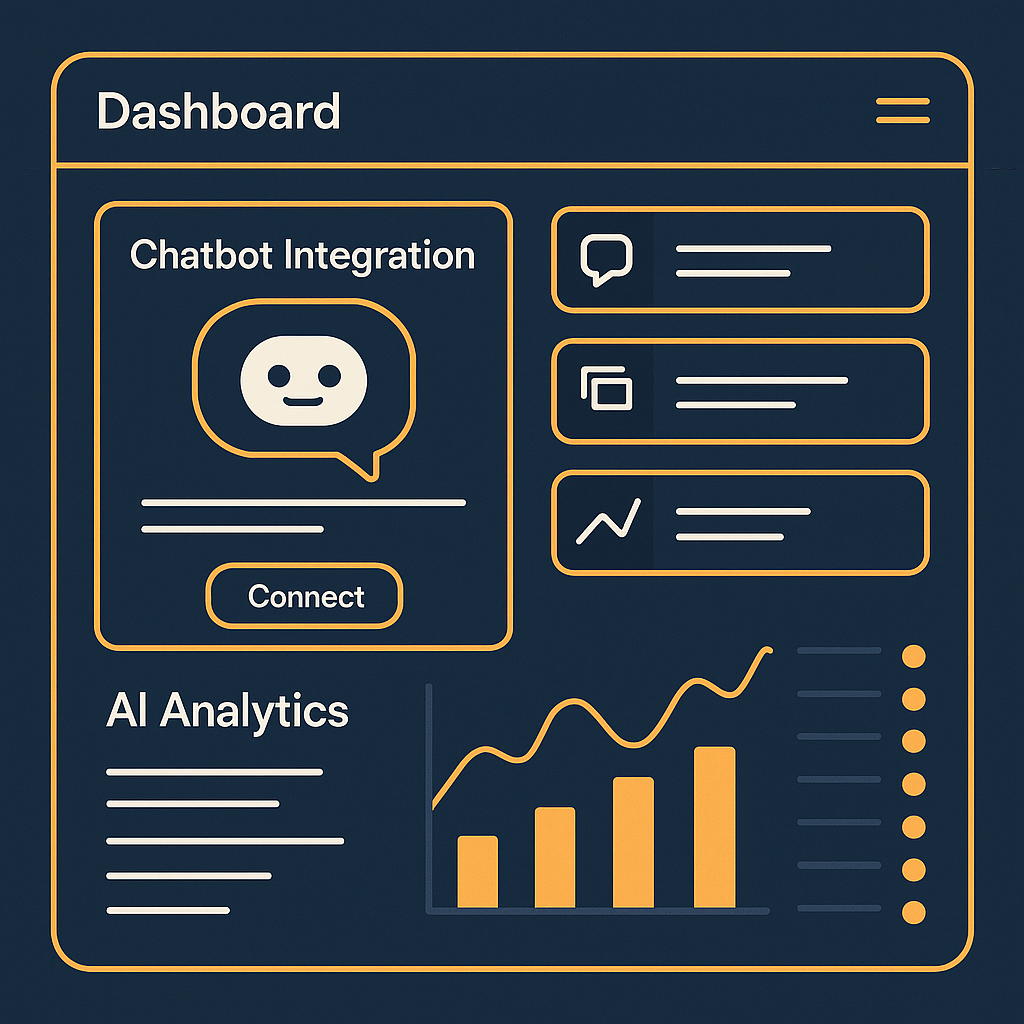
Select a platform that supports your identified channels and use cases. Key features to consider:
- Natural language understanding for accurate intent detection
- Integration capabilities with your CRM, help desk, or knowledge base
- Robust analytics to measure AI performance and customer sentiment
- Easy content management for updating responses
Platforms like AItocha provide an Omnichannel Inbox and AI & Analytics that streamline these requirements.
Step 4: Develop and Train Your AI Models
Start by building intents and entities that cover the most frequent customer queries. Use historical ticket data or chat logs to train the AI on real interactions. Include variations in phrasing and common misspellings.
Pilot your AI with a limited audience to gather feedback and improve accuracy. Remember to continuously monitor and update the models as new topics emerge.
Step 5: Integrate with Your Support Ecosystem
Conversational AI should work seamlessly with your existing tools. Ensure the AI can:
- Escalate complex queries to human agents
- Access the Knowledge Base for consistent answers
- Support SLA Compliance by routing urgent issues appropriately
This integration preserves the human touch where needed and prevents customer frustration.
Step 6: Train Your Support Team for Collaboration
Conversational AI is a tool for your agents, not a replacement. Train your team on how to collaborate with AI, interpret AI-generated insights, and take over conversations smoothly when needed.
Leverage features like QA & Coaching to continuously improve agent performance alongside AI effectiveness.
Step 7: Measure, Optimize, and Scale
Use dashboards to track key metrics such as:
- Resolution rates handled by AI
- Customer satisfaction scores
- Average handling times
Based on insights, refine your AI models and expand to new channels or use cases. Continuous optimization ensures your conversational AI adapts to evolving customer needs.
Real-World Example
Consider a SaaS company that implemented conversational AI for onboarding support. By automating common questions about account setup and feature usage, they reduced support tickets by 40% within 3 months. Their AI platform integrated with their existing help desk, enabling smooth handoffs to agents for complex issues. Regular analysis guided improvements in AI dialogue, resulting in a 15% boost in customer satisfaction.
Conclusion: Start Small, Think Big
Adopting conversational AI is a journey that requires clear goals, the right technology, and ongoing collaboration between AI and human agents. By following this practical framework, your support team can deliver faster resolutions, reduce workloads, and enhance customer experiences.
Explore how AItocha's AI & Analytics and Omnichannel Inbox can help you implement conversational AI effectively. For more insights on scaling support with automation, see our post on How Top Companies Use Chatbots and Automation to Scale Customer Support.
Ready to see conversational AI in action? Try AItocha now and start transforming your customer support.