Support Operations
Chatbots and Automation vs Traditional Support: A Data-Driven Comparison
Chatbots and Automation vs Traditional Support: A Data-Driven Comparison
Customer support has evolved tremendously over the last decade. Businesses now often choose between traditional human-based support and AI-driven tools like chatbots and automation. But how do these approaches stack up when we look beyond surface-level hype? This article provides a clear, data-driven comparison to help support leaders make informed decisions.
Speed and Availability: The Numbers Tell the Story
Traditional support teams typically operate within business hours, with average first response times around 12 to 24 hours depending on channel and industry. For example, a Zendesk benchmark report found that average ticket first reply time in 2022 was 12.5 hours across industries.
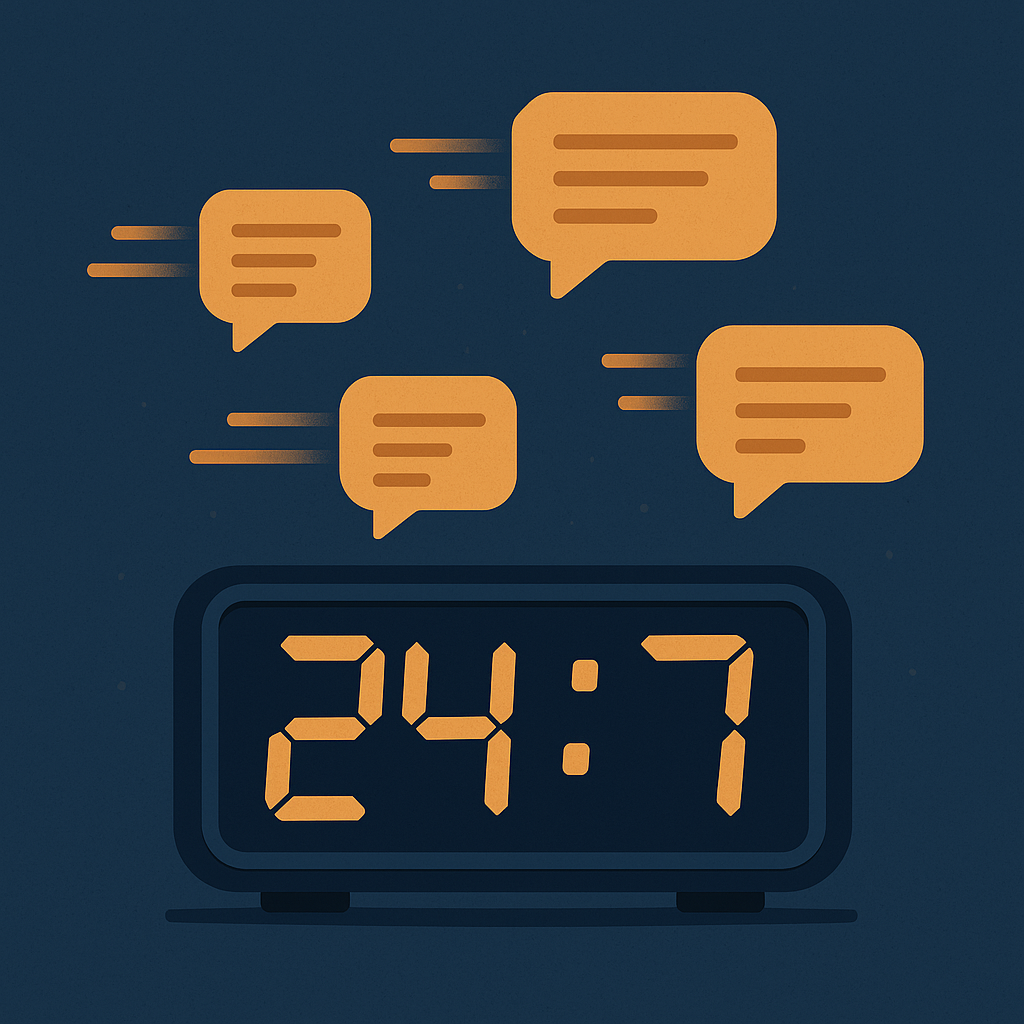
In contrast, chatbots and automated systems provide immediate responses 24/7. According to Drift’s 2023 State of Conversational Marketing report, chatbot average response time is under 5 seconds, effectively eliminating wait times.
This speed difference significantly impacts customer satisfaction. A Microsoft study revealed that 90% of consumers expect an immediate response when they have a customer service question—and 60% consider quick responses very important to loyalty.
Cost Efficiency: How Automation Scales Financially
Traditional support requires hiring, training, and retaining agents. According to Support Driven, the average cost per support ticket ranges from $5 to $15 depending on complexity and geography.
Conversely, chatbot and automation platforms incur upfront and ongoing technology costs but can handle tens of thousands of interactions simultaneously at a fraction of the incremental cost. IBM reports that chatbots can reduce customer service costs by up to 30%. For instance, a company handling 100,000 tickets monthly could save $150,000 or more per month by automating 30% of inquiries.
Quality and Consistency: Human Empathy vs AI Precision
Traditional support agents bring empathy, adaptability, and problem-solving skills crucial for complex or sensitive issues. However, they vary in knowledge and performance, and human error can affect quality.
Automated systems and chatbots deliver consistent, accurate answers to common questions by instantly accessing company knowledge bases. They also reduce repetitive tasks, freeing agents to focus on high-value cases.
AI-powered tools like Knowledge Base integration and QA & Coaching allow continuous improvement of automated responses and agent performance.
Customer Satisfaction Metrics: What the Data Shows
Customer satisfaction (CSAT) scores for traditional support average around 80% but decline with longer wait times and inconsistent agent expertise.
Chatbots often score lower initially in CSAT because customers prefer human interaction for complex issues. However, hybrid models combining chatbot triage with human escalation show promising results. A recent Gartner report found that organizations using combined automated and human support saw up to a 20% increase in CSAT scores compared to human-only models.
Scalability: Handling Volume Without Sacrificing Quality
Scaling traditional support means hiring more agents, which is costly and slow. During peak periods, this often leads to long queues and frustrated customers.
Automation and chatbots scale instantly to handle spikes in volume. AI-driven Automations & Workflows can route queries intelligently, prioritize urgent cases, and escalate complex issues to human agents efficiently.
This flexibility allows businesses to maintain consistent service quality without ballooning costs.
Practical Scenarios Where Each Excels
- Routine inquiries: Chatbots handle FAQs, order status, account updates effectively, reducing ticket volume.
- Complex problems: Human agents excel at troubleshooting, empathy, and personalized guidance.
- After-hours support: Automation ensures 24/7 availability, capturing leads and solving simple issues anytime.
Integrating the Best of Both Worlds
The data suggests that the most effective approach is a hybrid model combining chatbots and automation with skilled human agents. AItocha offers features like an Omnichannel Inbox that supports seamless handoff between bots and humans, ensuring customers get timely, accurate assistance.
By leveraging AI to handle repetitive tasks and initial contact, support teams can focus on high-impact issues, improving overall efficiency and satisfaction.
Key Takeaways
- Chatbots offer immediate responses 24/7, drastically reducing wait times.
- Automation cuts costs significantly by handling large volumes of routine interactions.
- Traditional agents remain essential for complex, nuanced support requiring empathy.
- Hybrid models combining AI and human support show the best customer satisfaction and scalability.
- Implementing AI-driven Knowledge Base and Automations & Workflows enhances consistency and quality.
Businesses aiming to optimize support operations should evaluate how to blend automation with human expertise effectively. For a hands-on look at how to integrate these tools, consider a Live Demo of AItocha’s platform.
By focusing on data-driven insights rather than assumptions, you can design a support strategy that balances cost, quality, and customer experience for measurable results.