Support Operations
Common Mistakes When Implementing Omnichannel Support (and How to Fix Them)
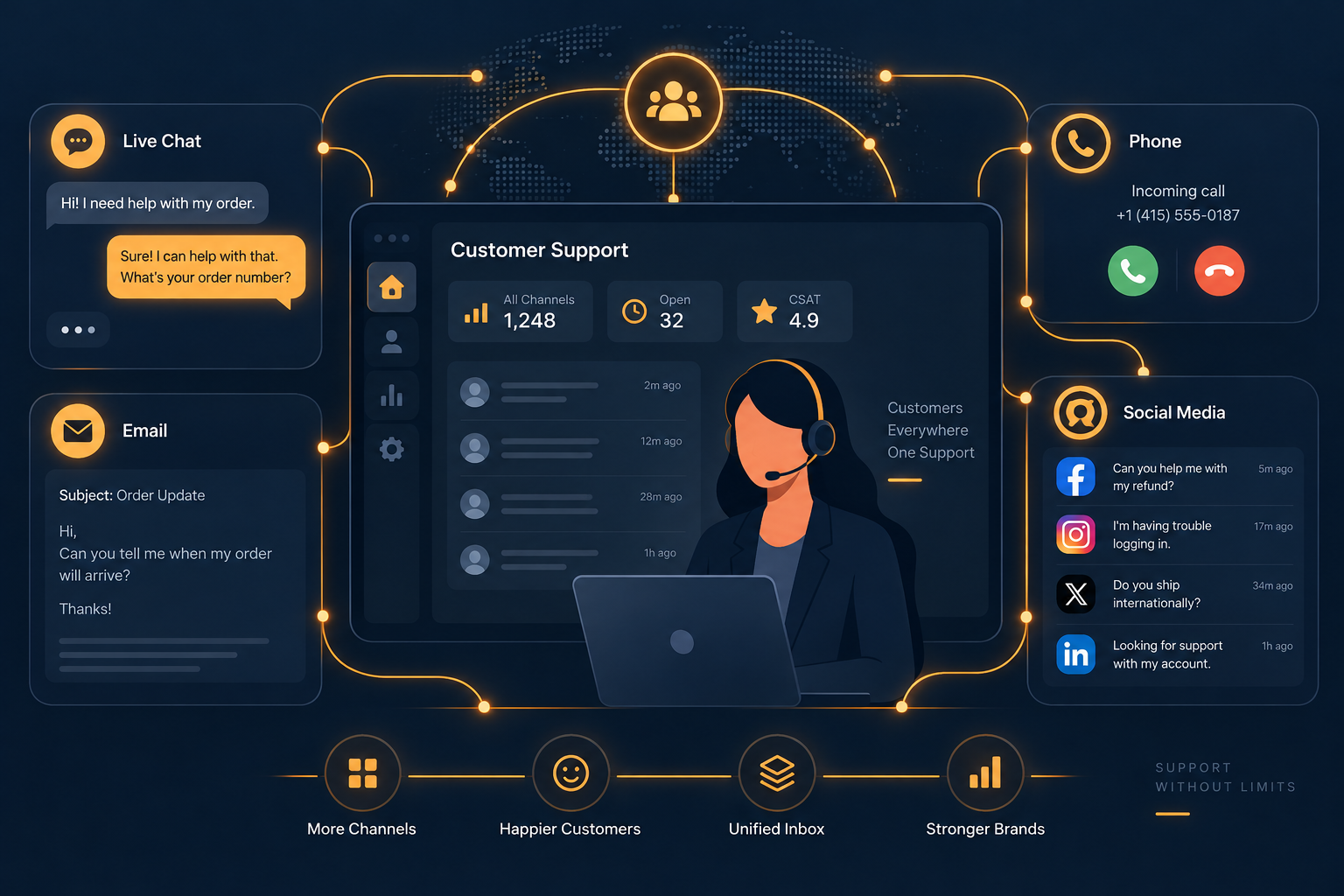
Why Omnichannel Support Matters — But Isn’t Always Easy
Many companies invest in omnichannel support expecting to instantly deliver consistent, personalized experiences across every customer touchpoint—from chat and email to social media and phone calls. Yet, the reality is more complex. Without a solid strategy and the right tools, omnichannel can lead to fragmented experiences, inconsistent messaging, and frustrated customers and agents alike.
Understanding common implementation mistakes is essential to avoiding these pitfalls and making omnichannel truly effective.
Mistake 1: Treating Channels as Separate Silos

One of the most frequent errors is managing each support channel independently. For example, having separate teams or platforms for email, social media, and chat without a unified view of the customer.
Why it’s a problem:
- Customers expect a seamless experience where their history and context follow them across channels.
- Agents waste time asking customers to repeat information, increasing resolution time and dissatisfaction.
How to fix it:
Implement a true omnichannel inbox that consolidates all communications into a single interface. This allows agents to see the full conversation history, regardless of channel, enabling faster and more personalized responses. AItocha’s Omnichannel Inbox supports this by integrating channels like email, chat, SMS, and social media into one platform.
Mistake 2: Ignoring Channel Preferences and Customer Behavior
Not all customers prefer the same channels or even use all channels equally. Launching omnichannel without analyzing which channels your audience uses most can lead to wasted effort and poor adoption.
Why it’s a problem:
- Some channels may remain underutilized while others become overwhelmed.
- Customers may abandon support if their preferred channel isn’t well supported.
How to fix it:
Use data analytics to identify where your customers engage most frequently and tailor your channel support accordingly. Tools like AItocha’s AI & Analytics can provide insights into channel usage and customer preferences, helping you prioritize investments and staffing.
Mistake 3: Poor Integration With Backend Systems
Omnichannel support isn’t just about front-end communication. When channels aren’t integrated with CRM, order management, or ticketing systems, agents lack critical context to resolve issues efficiently.
Why it’s a problem:
- Agents must manually look up customer info or orders, causing delays.
- Fragmented data leads to errors and inconsistent responses.
How to fix it:
Ensure your omnichannel platform integrates seamlessly with your backend systems. AItocha supports extensive Integrations that enable real-time data sharing, keeping all relevant information at agents’ fingertips.
Mistake 4: Underestimating the Need for Staff Training and Change Management
Technology alone won’t solve omnichannel challenges. Agents and supervisors must understand how to use new tools and workflows effectively.
Why it’s a problem:
- Low adoption rates of the new platform.
- Inefficient handling of inquiries and inconsistent customer experiences.
How to fix it:
Invest in comprehensive training supported by ongoing QA & Coaching to reinforce best practices and address gaps. This helps teams adapt to omnichannel workflows and continuously improve performance.
Mistake 5: Neglecting Automation Opportunities
Many companies implement omnichannel support with all interactions being fully manual, missing out on automation that can reduce workload and speed up resolutions.
Why it’s a problem:
- High ticket volumes overwhelm agents.
- Routine questions take excessive time to handle.
How to fix it:
Leverage Automations & Workflows to route tickets intelligently, trigger follow-ups, and handle common inquiries with AI-powered chatbots. This reduces agent workload and improves response times without sacrificing quality.
Mistake 6: Inadequate Measurement and Continuous Improvement
Without properly tracking omnichannel performance, it’s impossible to identify bottlenecks or areas needing improvement.
Why it’s a problem:
- Stagnant or declining customer satisfaction.
- Inefficient resource allocation.
How to fix it:
Use a robust Report Builder and AI Insights Dashboard to monitor KPIs such as first response time, resolution rates, channel effectiveness, and customer satisfaction scores. Data-driven insights enable continuous optimization.
Final Thoughts
Implementing omnichannel support is a strategic investment that requires more than technology—success hinges on unifying channels, integrating systems, training teams, leveraging automation, and continuously measuring performance.
By avoiding these common mistakes and applying practical fixes, your business can deliver genuinely connected, efficient, and satisfying customer experiences.
Explore how AItocha’s comprehensive All Features can support your omnichannel strategy from setup through scaling. Start today with a Live Demo or Try It Now to see omnichannel support in action.