Best Practices
How to Implement Help Desk Best Practices Without Losing the Human Touch
Introduction
Help desks are the frontline of customer support, often juggling high ticket volumes, multiple channels, and evolving customer expectations. Implementing help desk best practices is essential to streamline operations and boost efficiency, but many fear that rigid processes and automation could strip away the human touch that builds customer loyalty. The good news? You can have both.
In this post, we'll explore concrete steps to adopt proven help desk best practices while maintaining personalized, empathetic, and responsive support that customers appreciate.
Understand What Customers Really Value
Before implementing any new system or workflow, start with customer expectations. Research consistently shows that customers want fast resolution but also crave empathy and clarity. According to a 2023 CX survey, 73% of customers say a friendly, understanding agent matters as much as quick answers.
Gather feedback through post-interaction surveys, analyze common pain points with AI-powered analytics, and identify where human intervention is critical versus where automation can assist. This insight will guide your balanced approach.
Standardize Without Robotic Scripts
Best practices often recommend standardized responses to ensure accuracy and consistency. However, strictly scripted answers can sound robotic. Instead, train agents on frameworks rather than fixed scripts.
For example, a framework might guide agents to:
- Empathize with the customer's situation
- Provide a clear explanation
- Offer actionable next steps
This method ensures consistency while empowering agents to personalize responses. Tools like AItocha's QA & Coaching feature can monitor agent interactions, highlight best practices, and provide coaching opportunities that keep tone natural and human.
Leverage Automation to Handle Repetitive Tasks
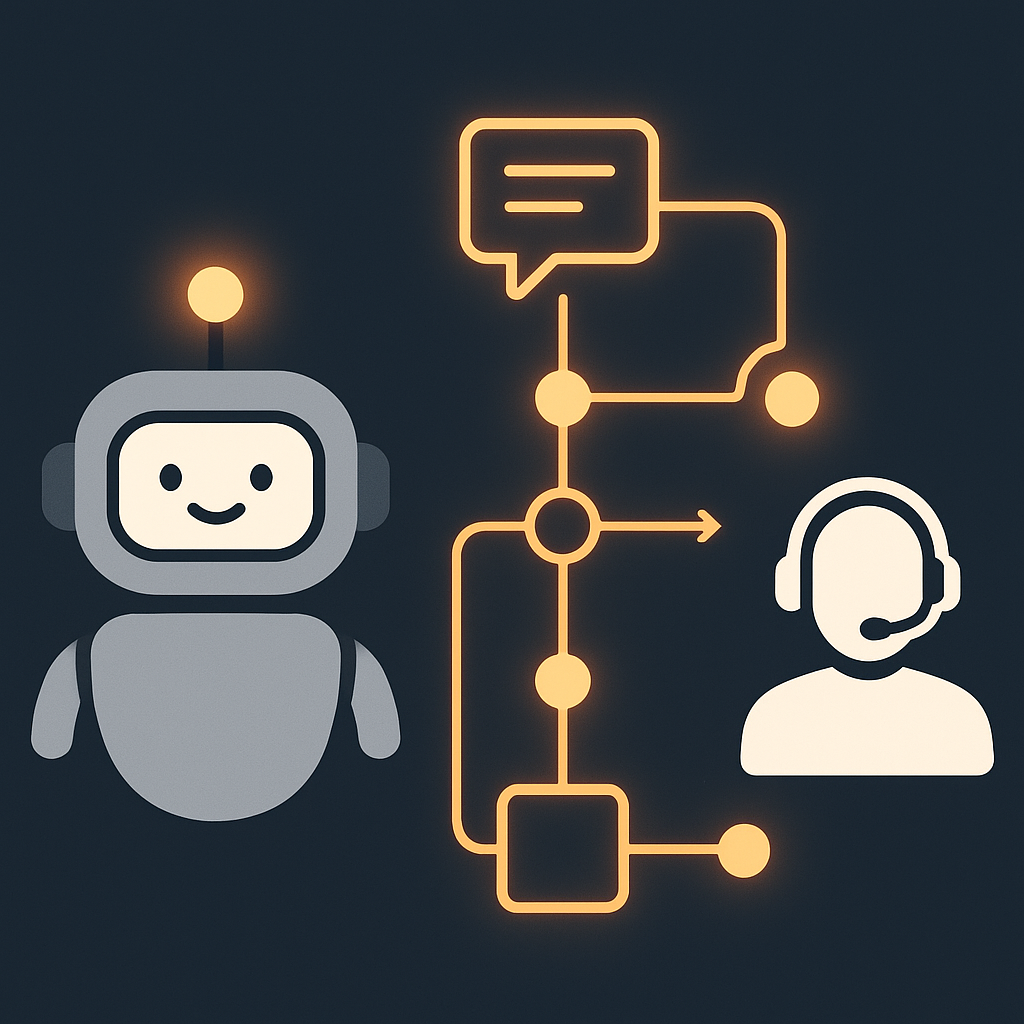
Automate routine inquiries such as password resets, order status checks, or common FAQs using chatbots and automation workflows. This reduces ticket volume and frees agents to focus on complex or sensitive issues.
Implement automation carefully:
- Use AI-driven bots that recognize when to escalate to a human agent
- Provide seamless handoff ensuring the customer doesn’t repeat information
- Keep responses conversational, not canned
AItocha’s Automations & Workflows enable you to build these intelligent processes while preserving a human handoff when needed.
Maintain Omnichannel Consistency
Customers interact through various channels—email, chat, phone, social media. Best practices stress consolidating communication to avoid fragmented service.
Use an Omnichannel Inbox to route inquiries from all channels into one interface. This allows agents to maintain context and provide continuous, personalized interactions.
Real-time visibility into customer history and preferences helps agents respond empathetically and avoid repetitive questions, enhancing the human experience.
Empower Agents with Knowledge Base Integration
A well-maintained Knowledge Base is essential for fast, accurate answers. But agents should use it as a guide, not a crutch.
Encourage agents to supplement knowledge base content with their expertise and adapt responses to the customer’s tone and needs.
Additionally, keep your knowledge base dynamic by regularly updating articles based on agent feedback and customer inquiries, ensuring relevant and current information.
Measure and Coach on Soft Skills, Not Just Metrics
While KPIs like first response time and resolution rate are important, also assess and coach on soft skills such as empathy, clarity, and tone.
Use quality assurance tools to review conversations for these elements. AItocha’s QA & Coaching helps identify areas for improvement, allowing managers to provide targeted, constructive feedback.
Celebrating human-centered successes motivates agents to prioritize connection over rigid procedure.
Balance SLA Compliance with Flexibility
Meeting Service Level Agreements (SLAs) is crucial for operational discipline, but strict adherence should not compromise customer care.
Train agents to recognize when to make exceptions or spend extra time on complex issues. Similarly, use AItocha’s SLA Compliance tools to monitor performance without micromanaging every interaction.
This balance preserves trust and shows customers they are valued as individuals.
Continuous Improvement Through AI Analytics
Leverage the AI & Analytics capabilities to analyze trends, spot bottlenecks, and identify where customers experience friction.
For example, if data shows increasing tickets in a particular category, update training, improve knowledge base content, or adjust automation accordingly.
This proactive approach ensures that your help desk best practices evolve with customer needs without losing the personal touch.
Conclusion
Implementing help desk best practices does not mean sacrificing humanity. By understanding customer values, empowering agents, using automation judiciously, and leveraging AI insights, you can create a help desk that is efficient, consistent, and genuinely caring.
For a deeper dive on creating an efficient, empathetic support environment, explore our blog post on Building a World-Class Help Desk Best Practices Strategy from Scratch.
Ready to start? Try AItocha’s platform to see how integrated tools support this balanced approach. Visit our Live Demo or Try It Now to experience it firsthand.
---
Key Takeaways:
- Combine standardized frameworks with agent flexibility
- Automate repetitive tasks but ensure easy human handoff
- Use omnichannel tools to maintain context across platforms
- Empower agents with a dynamic knowledge base
- Coach on empathy and communication, not just metrics
- Balance SLA enforcement with customer-centric flexibility
- Continuously improve with AI-powered analytics
This approach ensures your help desk delivers exceptional service without losing the human touch.