Best Practices
Omnichannel Support: Best Practices for Support Teams to Deliver Consistent Customer Experiences
Why Omnichannel Support Matters for Modern Support Teams
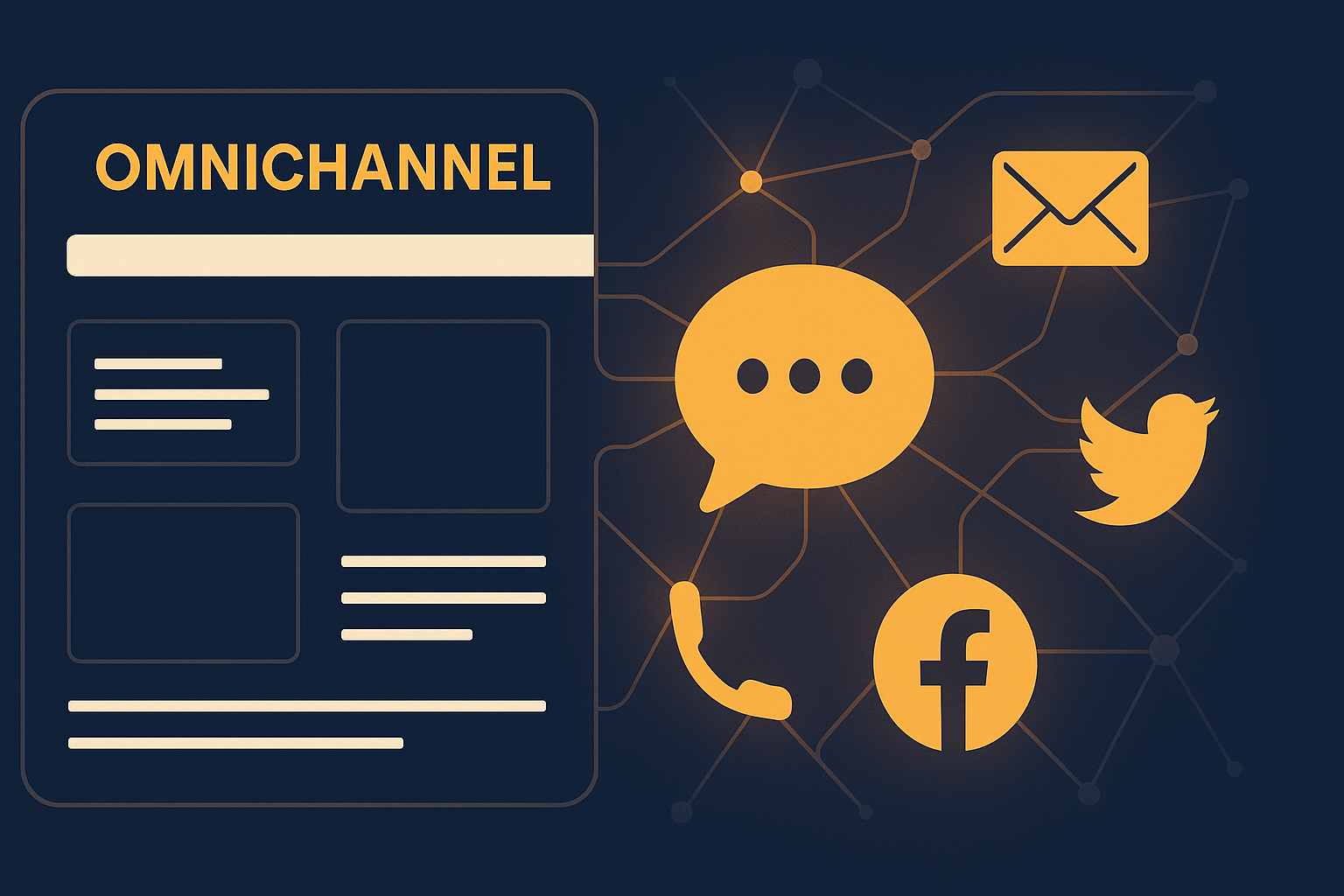
Customers today expect to reach support through multiple channels — from email and live chat to social media, SMS, and voice calls — without losing context or quality. Omnichannel support integrates these touchpoints into a unified experience, reducing friction and improving satisfaction.
However, managing omnichannel support effectively requires more than just being present on multiple platforms. Support teams must adopt best practices that ensure consistency, speed, and personalization across channels while optimizing workflows.
Best Practices for Omnichannel Support Teams
1. Centralize Customer Interactions with an Omnichannel Inbox
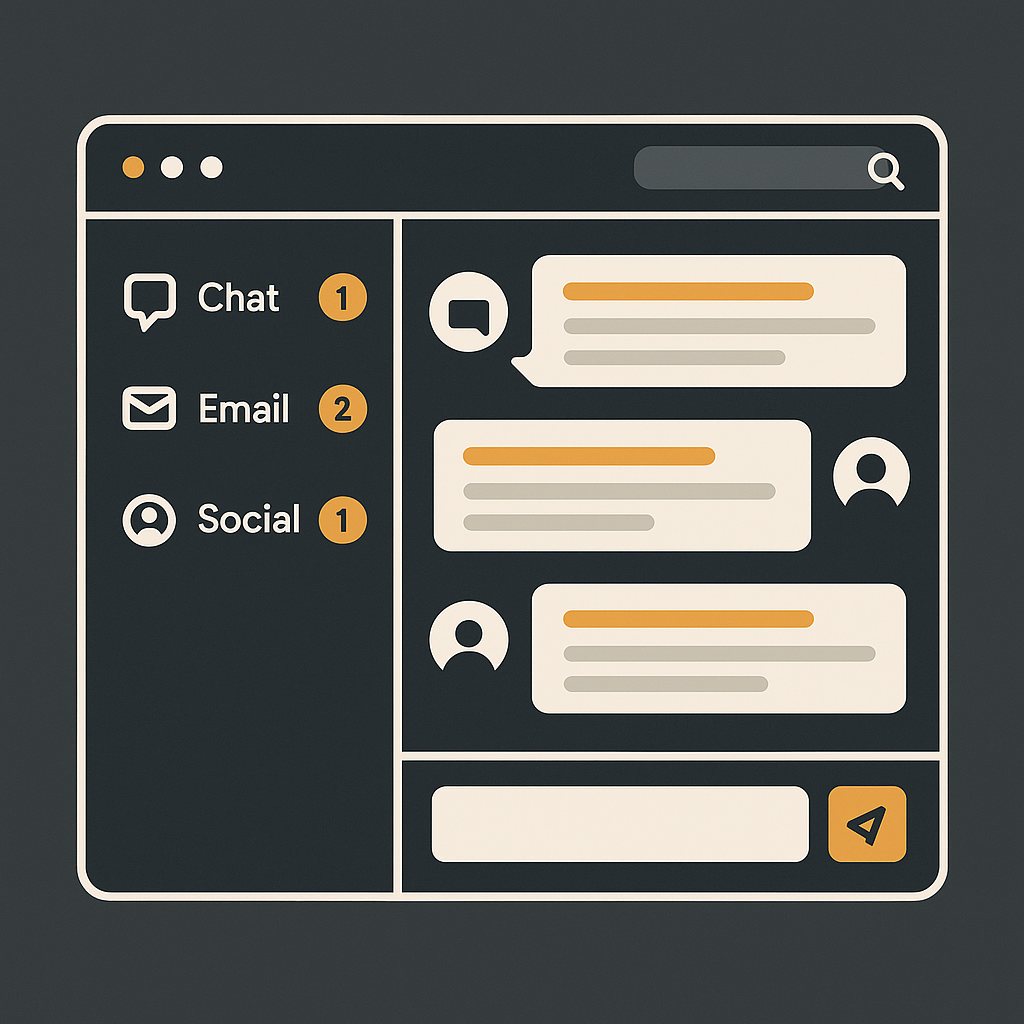
A single, unified inbox for all customer messages is crucial. This allows agents to view and respond to inquiries from email, live chat, social media, SMS, and phone calls without switching platforms.
For example, AItocha’s Omnichannel Inbox consolidates all channels, enabling agents to track conversation history and respond faster. This reduces response times and avoids duplicated efforts.
2. Maintain Context Across Channels
Customers often switch channels mid-conversation. Without proper context, agents risk repeating questions or missing key information, frustrating customers.
Use tools that automatically synchronize conversation history and customer data across channels. This ensures any agent can seamlessly pick up where another left off. Integration of a Knowledge Base also helps by providing consistent answers regardless of the channel.
3. Define Clear Roles and Queues
Organize support teams into specialized groups or queues focused on particular channels, customer segments, or issue types. This improves expertise and speeds up resolution.
AItocha’s Teams & Queues feature helps assign tickets to the right agents automatically, balancing workloads and increasing efficiency.
4. Set and Monitor SLAs for Each Channel
Customers expect timely responses regardless of the channel they use. Define Service Level Agreements (SLAs) tailored to channel expectations—for instance, faster responses on live chat versus email.
Use SLA monitoring tools like AItocha’s SLA Compliance to track adherence and identify bottlenecks before they impact customers.
5. Leverage Automation to Handle Routine Tasks
Automate repetitive tasks such as ticket routing, initial responses, FAQs, and follow-ups to free up agents for complex issues.
Chatbots and AI-powered workflows can resolve common inquiries instantly. Check out Automations & Workflows to see how automation can scale support effectively.
6. Use Analytics to Continuously Improve
Track KPIs like first response time, resolution time, customer satisfaction scores, and channel performance to spot trends and optimize operations.
AItocha’s AI & Analytics provides actionable insights that support managers can use to coach teams and improve workflows.
7. Train Agents on Omnichannel Communication Skills
Agents must adapt their tone and approach depending on the channel—for example, social media requires concise, friendly messages while email can be more formal and detailed.
Implement regular coaching programs using tools like AItocha’s QA & Coaching to ensure consistent quality across channels.
Real-World Scenario: Omnichannel Support in Action
Consider a customer who first contacts support via a chatbot on a website with a billing question. The chatbot escalates the ticket to a live agent who responds via email after hours. The customer replies back on social media.
With proper omnichannel support:
- The agent sees the full conversation history regardless of channel.
- The ticket is routed to the billing specialist queue.
- SLAs ensure quick responses on social media.
- Automation sends a follow-up survey after resolution.
This integrated approach improves customer satisfaction and reduces support costs.
Conclusion: Building a Cohesive Omnichannel Support Strategy
Delivering consistent and efficient omnichannel support requires thoughtful integration of technology, clear team structures, and ongoing performance management. By centralizing communication, maintaining context, leveraging automation, and using data-driven coaching, support teams can meet customer expectations and improve operational efficiency.
Explore how AItocha’s comprehensive All Features can help your team implement these best practices and elevate your omnichannel support capabilities.
Interested in seeing omnichannel support in action? Book a Live Demo or Try It Now for hands-on experience.