Support Operations
AI Customer Support vs Traditional Support: A Data-Driven Comparison
AI Customer Support vs Traditional Support: Data-Driven Insights
Customer support is a vital part of any successful business, but the methods to deliver it vary widely. Traditional support relies heavily on human agents, while AI customer support uses machine learning, natural language processing, and automation to handle inquiries. This article dives into a data-driven comparison between these two approaches, helping you understand their impacts on efficiency, customer satisfaction, and operational costs.
Understanding the Fundamentals
Traditional Support typically involves live agents responding to tickets, calls, or chats manually. It offers personalized interaction but can struggle with scalability and consistency.
AI Customer Support incorporates chatbots, automated workflows, AI voice agents, and AI-powered analytics to manage requests, often resolving common issues without human intervention.
Response Time and Resolution Speed
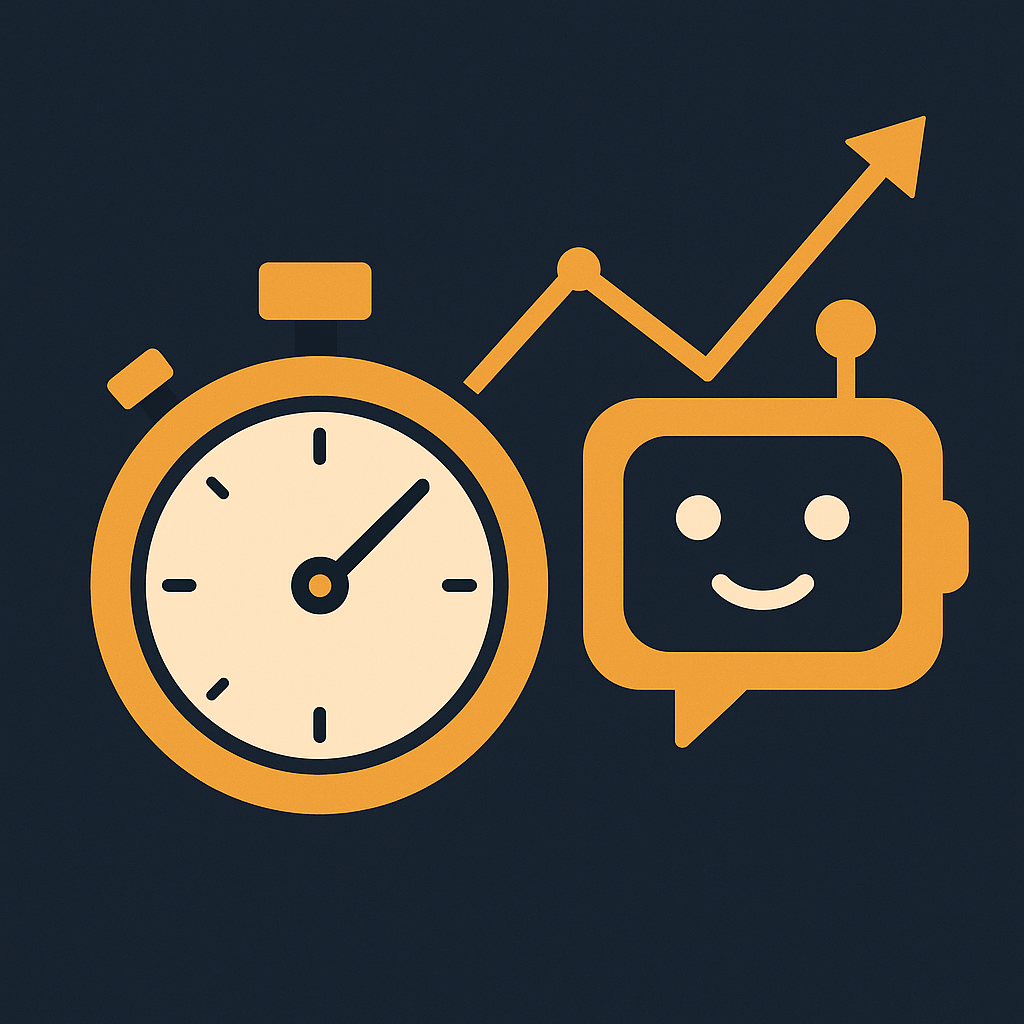
One of the most quantifiable benefits of AI support is reduced response time. According to a 2023 industry report, AI-powered chatbots can respond instantly to up to 70% of common queries. This contrasts with traditional support where initial response times average 12 hours or more depending on volume and team size.
Moreover, AI-powered systems can triage and route tickets faster using intelligent Teams & Queues configurations. This reduces time spent on manual ticket assignment, leading to a 30% faster resolution on average.
Example: A SaaS company implementing AI chatbots reduced their average first response time from 10 hours to under 2 minutes, leading to a 25% drop in ticket backlog within three months.
Customer Satisfaction and Experience
Customer satisfaction (CSAT) scores provide a direct measure of support effectiveness. Studies show that AI-supported customers report comparable or higher satisfaction for routine inquiries due to 24/7 availability and instant answers.
However, complex or emotional issues still benefit from human empathy, which AI cannot fully replicate. Hybrid models that escalate to human agents after AI interaction tend to maximize satisfaction.
Using AI insights, support managers can identify bottlenecks and improve agent coaching through QA & Coaching, enhancing overall service quality.
Data Point: An e-commerce retailer noticed a 15% improvement in CSAT scores after integrating AI-driven self-service alongside human agents.
Cost Efficiency and Scalability
AI customer support significantly reduces operational costs by automating repetitive tasks and lowering agent workload. Businesses report up to 40% cost savings in support budgets post-AI adoption.
Traditional support requires proportional increases in headcount with growing ticket volume, while AI scales more efficiently. Automated Automations & Workflows can handle peak loads without additional staffing.
Scenario: A healthcare company scaled support operations by 3x during high-demand periods with minimal cost increase using AI voice agents and automated routing.
Accuracy and Knowledge Management
AI systems leverage comprehensive Knowledge Base integration to provide accurate and consistent responses. This reduces human errors common in manual support.
Data shows AI support contributes to higher first-contact resolution rates by suggesting precise solutions based on historical data and real-time analytics.
Traditional support may suffer from inconsistent agent knowledge, especially in large or distributed teams.
Challenges and Considerations
Despite advantages, AI support has limitations:
- Complex Problem Handling: Some issues require nuanced understanding and empathy.
- Customer Preference: Certain customer segments prefer human interaction.
- Implementation: Proper AI training, continuous data updates, and seamless escalation protocols are essential.
Aligning AI with human agents in an omnichannel environment, such as through an Omnichannel Inbox, ensures smooth transitions and improved customer journeys.
Making the Right Choice
Most organizations benefit from a hybrid approach, combining AI's efficiency with human agents' empathy and judgment. Starting with AI tools for FAQs, ticket triage, and routine issues reduces team load and accelerates support.
AItocha's platform offers integrated AI-powered analytics and automation to help businesses harness AI benefits without sacrificing quality. See how you can elevate your support with a Live Demo or Try It Now.
Key Takeaways
- AI customer support drastically cuts response and resolution times for routine queries.
- Customer satisfaction improves with 24/7 availability but complex issues still need humans.
- Operational costs decrease and scalability improves with AI-driven automation.
- Knowledge base integration ensures accuracy and consistency in AI responses.
- A hybrid support model combining AI and traditional agents delivers the best results.
For more detailed insights, explore our blog post on Knowledge Base Management vs Traditional Support: A Data-Driven Comparison and see how AI is reshaping customer service.
By leveraging data and technology thoughtfully, businesses can optimize customer support to be both efficient and human-centered.