Support Operations
How Knowledge Base Management Is Transforming Customer Support in 2026
How Knowledge Base Management Is Transforming Customer Support in 2026
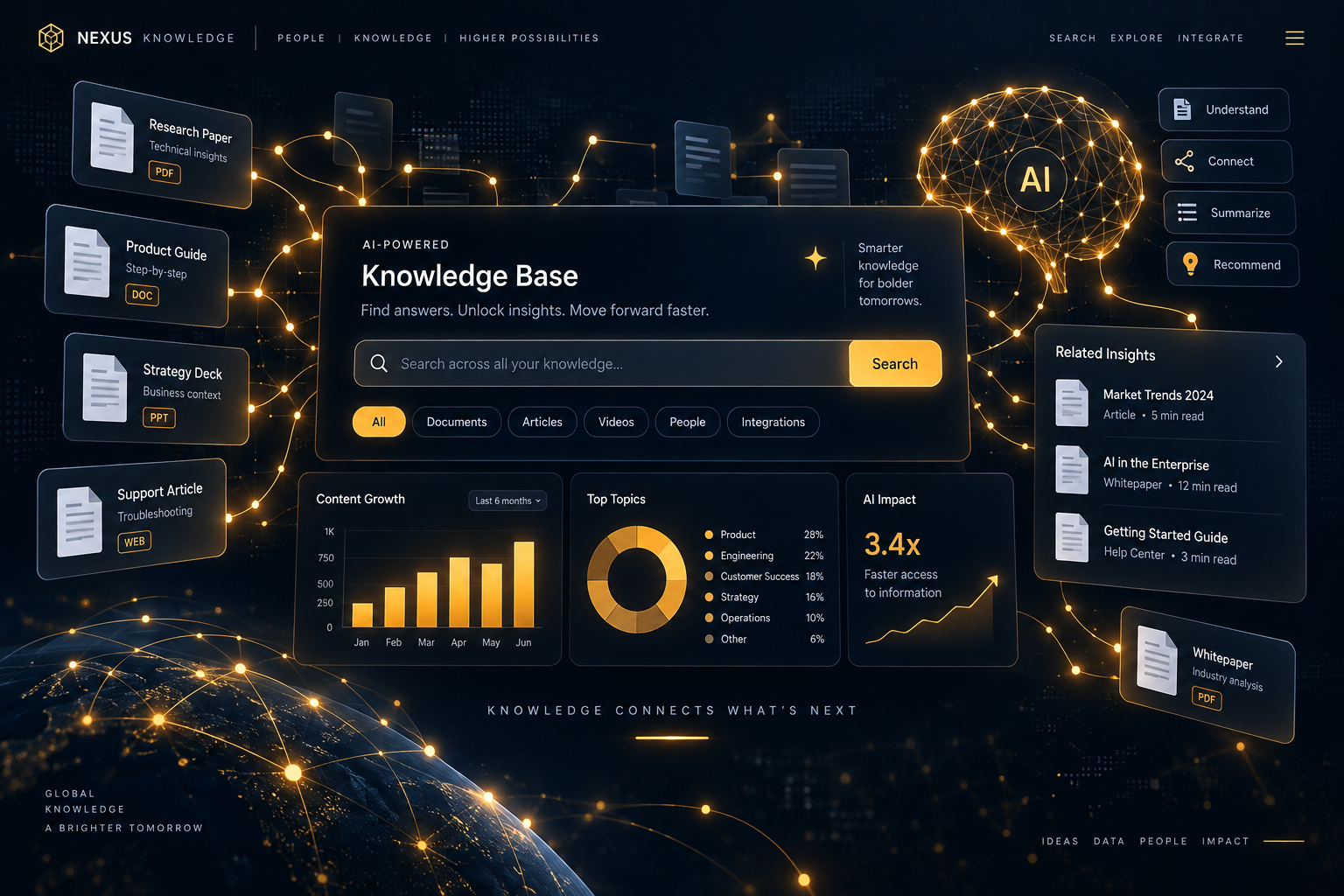
Customer support has evolved dramatically over the last few years, and at the heart of this transformation lies knowledge base management. In 2026, companies leveraging intelligent knowledge bases are not only improving their support efficiency but also significantly enhancing the customer experience. This article dives into the concrete ways knowledge base management is revolutionizing support today and practical steps for teams to adapt.
The Role of Knowledge Base Management in Modern Support
A knowledge base (KB) is more than just a collection of FAQs or help articles. It serves as the central repository for all customer-facing information—product details, troubleshooting guides, policies, and workflows. Effective knowledge base management ensures that this information is accurate, easily accessible, and continuously updated to reflect real-world customer needs.
Recent innovations in AI and automation have expanded the capabilities of KB systems. Modern knowledge bases integrate AI-powered search, content suggestions, and analytics that highlight gaps in documentation.
Why Knowledge Base Management Matters More Than Ever in 2026
- Rising Customer Expectations for Instant Answers
Customers now expect immediate, 24/7 access to accurate information without waiting for an agent. A well-managed knowledge base empowers customers to self-serve, reducing ticket volume and wait times. Studies show companies with strong KB systems experience up to a 40% decrease in support tickets.
- Support Complexity and Product Innovation
As software and services become more complex, support teams face challenges keeping documentation up to date. Effective KB management systems use AI-driven content recommendations and version control to maintain accuracy at scale.
- Omnichannel Support Integration
Customers interact across chat, email, social media, and voice. Integrating the knowledge base into all these channels ensures consistent answers and a unified experience. AItocha’s Omnichannel Inbox can integrate KB insights directly into agent workflows across channels.
Key Features Driving Transformation in Knowledge Base Management
AI-Powered Search and Content Recommendations
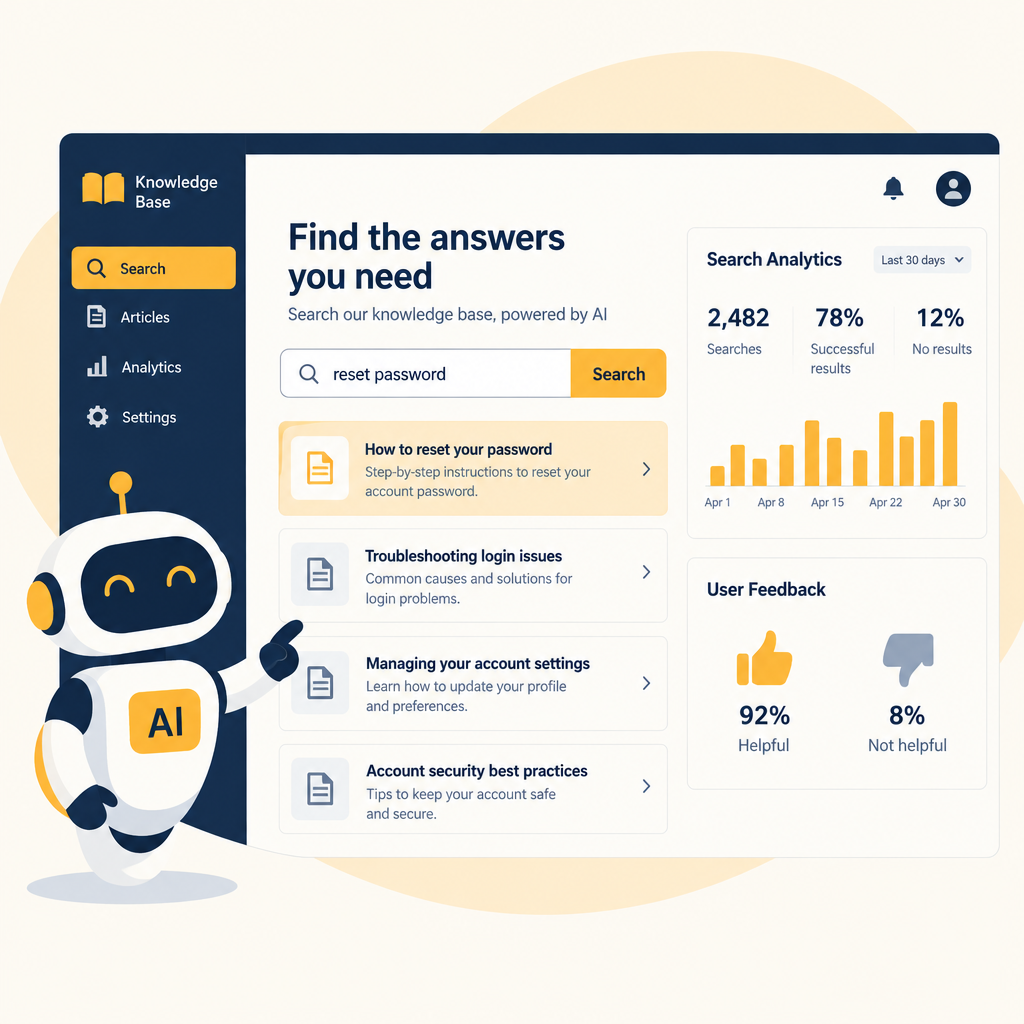
AI algorithms now analyze customer queries and behavior to deliver the most relevant articles instantly. This decreases the time customers spend searching and reduces frustration. AI-enhanced KB systems, like those offered in platforms with AI & Analytics, also suggest content updates to support teams based on common unresolved inquiries.
Continuous Content Improvement Through Analytics
Advanced reporting tools track article usage, customer feedback, and search terms. This data identifies which articles are effective and where information is missing or outdated. Teams can then prioritize updates and retire irrelevant content systematically.
Seamless Integration with Support Workflows
Modern knowledge bases connect directly with help desk tools, enabling agents to find and share articles within a ticket interface. This integration speeds up resolution times and ensures consistent, accurate information delivery. Check out AItocha’s Knowledge Base feature page for examples of such integrations.
Multilingual and Personalized Content
Global companies benefit from KB systems supporting multilingual content, providing customers answers in their native languages automatically. Some platforms even personalize KB article suggestions based on customer history and context, improving relevance.
Real-World Impact: Examples of Transformation
- Reduced Ticket Volume: A SaaS company using an AI-enhanced knowledge base saw a 35% reduction in tickets within six months due to effective self-service.
- Faster Agent Onboarding: New support agents ramped up 50% faster by relying on a well-organized, AI-curated knowledge base for training and reference.
- Higher Customer Satisfaction: Consistent, accurate answers from a centralized KB improved CSAT scores by 15% across multiple industries.
Best Practices for Implementing Knowledge Base Management in 2026
- Centralize and Audit Content Regularly
- Leverage AI for Content Recommendations and Search Optimization
- Integrate KB with Support Channels and Tools
- Encourage Feedback and Continuous Improvement
- Invest in Multilingual and Personalized Content Delivery
How AItocha Supports Advanced Knowledge Base Management
AItocha offers a feature-rich Knowledge Base designed for modern support teams. Its AI-powered search and analytics help you identify content gaps and improve relevance continuously. Integration with the Omnichannel Inbox ensures knowledge is accessible wherever your customers engage.
Explore how AItocha’s AI & Analytics capabilities empower teams to make data-driven decisions on content management and support workflows.
Conclusion
Knowledge base management is no longer a back-office task—it’s a strategic driver of customer satisfaction and operational efficiency. In 2026, companies that invest in AI-powered, integrated knowledge bases will reduce support costs, resolve issues faster, and meet the rising expectations of their customers.
For teams aiming to modernize their customer support, adopting advanced knowledge base management practices is essential. Leveraging platforms like AItocha can help you get there faster and more effectively.
---
For more guidance on optimizing your customer support operations, see our posts on Common Mistakes When Implementing Omnichannel Support (and How to Fix Them) and How Chatbots and Automation Are Transforming Customer Support in 2026.