Support Operations
How Top Companies Use Knowledge Base Management to Scale Support

How Top Companies Use Knowledge Base Management to Scale Support
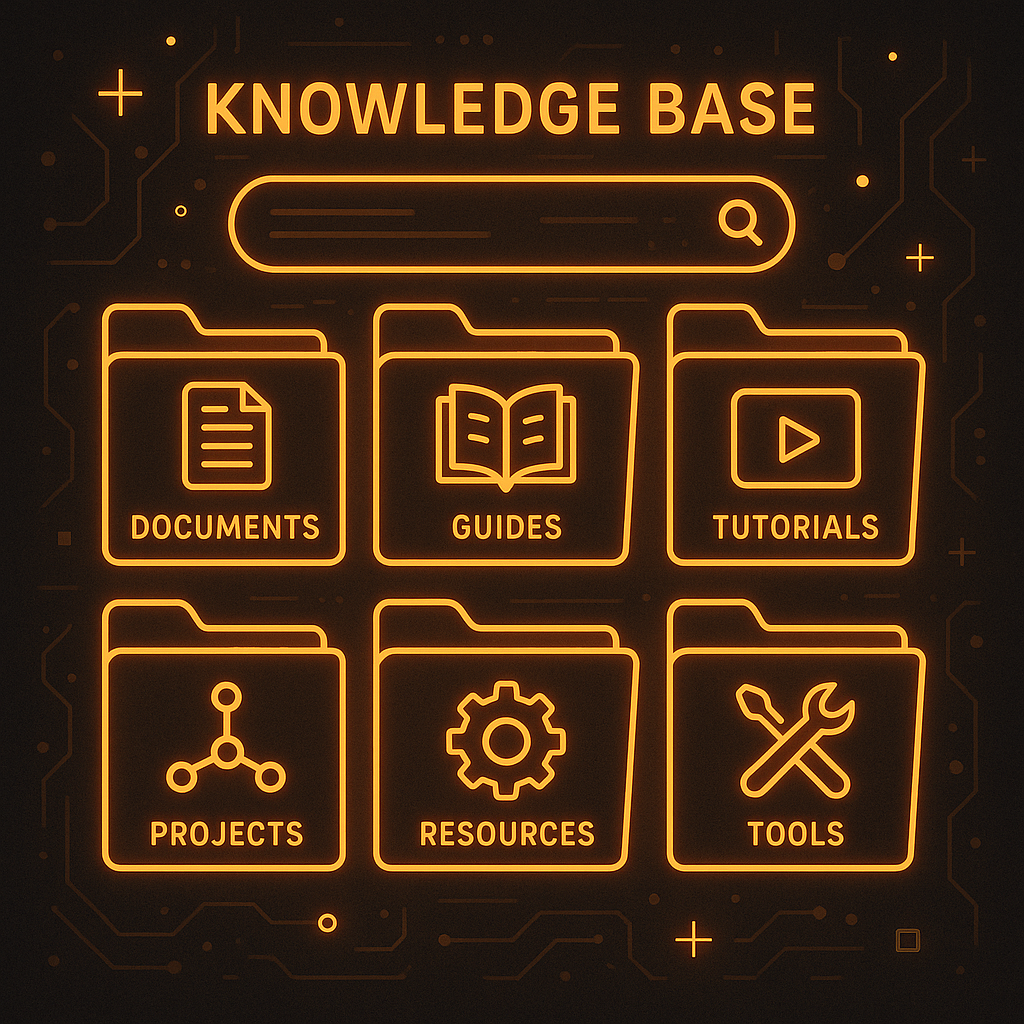
Scaling customer support without compromising quality remains a critical challenge for fast-growing companies. One strategy top companies consistently deploy is robust knowledge base management. By organizing, maintaining, and optimizing their knowledge bases, these companies empower customers and agents alike, ultimately reducing ticket volume and improving resolution times.
In this post, we'll explore concrete ways knowledge base management helps scale support operations and how you can apply these techniques to your own support team.
---
Why Knowledge Base Management Matters
A knowledge base (KB) is a centralized repository of information about products, services, policies, and troubleshooting steps. While many companies have knowledge bases, not all manage them effectively. Poorly managed KBs can frustrate customers and support agents due to outdated or hard-to-find information.
Leading companies treat knowledge base management as an ongoing process involving regular content updates, user feedback loops, and analytics-driven improvements. This proactive approach allows support teams to:
- Deflect repetitive queries, reducing ticket volume
- Speed up response times for agents
- Deliver consistent and accurate answers
- Support self-service, which customers increasingly prefer
1. Organizing Content for Maximum Accessibility
Top companies invest significant effort into structuring their knowledge base for easy navigation. Clear categories, intuitive search functions, and well-tagged articles enable users to find answers quickly.
For example, software companies often segment KB content by user roles or product modules, allowing customers and agents to drill down to relevant topics without sifting through irrelevant information.
Additionally, integrating a robust Knowledge Base platform with AI-powered search can dramatically improve findability. AI can interpret natural language queries, rank articles by relevance, and even suggest related content.
2. Integrating Knowledge Base With Support Channels
Scaling support means providing answers wherever customers engage. Top companies embed their knowledge base into multiple support touchpoints such as live chat, email, and social media.
By integrating KB articles directly into the agent's workflow through an Omnichannel Inbox, agents can quickly share relevant information without switching systems. This reduces average handling time (AHT) and ensures consistent messaging.
Furthermore, front-line AI-powered chatbots can pull from the knowledge base to provide instant responses to common questions, effectively reducing ticket volume and freeing human agents for complex issues. For more on this topic, see our post on 5 Effective Ways to Reduce Ticket Volume with Chatbots and Automation.
3. Establishing Regular Content Audits and Updates
Information becomes outdated quickly, especially in fast-moving industries. Top companies schedule periodic audits to review and update knowledge base content, ensuring accuracy and relevance.
They use analytics from AI and reporting tools to identify articles with low usage or poor feedback, flagging them for revision or removal. Leveraging an AI & Analytics platform helps prioritize updates based on real user behavior and support trends.
4. Empowering Support Teams With QA and Coaching
Effective knowledge base management goes hand in hand with coaching support agents to use it efficiently. Companies that scale well implement ongoing training and quality assurance (QA) processes.
With features like QA & Coaching, managers can monitor how agents utilize the knowledge base, identify gaps in usage or content comprehension, and provide targeted feedback. This continuous improvement cycle elevates team performance and customer satisfaction.
5. Capturing Customer Feedback to Improve Content
Top companies actively solicit feedback on knowledge base articles directly from end users. Simple prompts like "Was this article helpful?" provide valuable insights into content effectiveness.
They analyze this feedback along with support ticket data to discover knowledge gaps or unclear instructions. Using Automations & Workflows, teams automate follow-up tasks such as creating tickets for content revision requests or routing feedback to subject matter experts.
Real-World Example: Scaling Support in SaaS
Consider a SaaS company experiencing rapid growth, with support tickets doubling year over year. They implemented a layered knowledge base strategy:
- Structured articles by subscription tier and common use cases
- Integrated KB within live chat and email platforms
- Used AI analytics to spotlight outdated content and low-performing articles
- Trained agents on knowledge base navigation and encouraged feedback
Within six months, they reduced ticket volume by 30%, cut average resolution time by 20%, and saw a significant boost in customer satisfaction scores.
How to Get Started With Knowledge Base Management
- Audit Your Current Knowledge Base: Identify outdated, underutilized, or missing content.
- Define Clear Categories and Tags: Organize content logically for different user segments.
- Choose a Platform With AI-Powered Search: Ensure customers and agents can find answers swiftly.
- Integrate With Support Channels: Embed knowledge base access directly in agent tools and customer touchpoints.
- Establish Ongoing Review Processes: Schedule audits and use analytics for continuous improvement.
- Train Your Team: Leverage QA and coaching features to maximize knowledge base usage.
- Gather and Act on Feedback: Use automation to manage content updates based on user input.
For companies interested in diving deeper, AItocha offers comprehensive Knowledge Base features designed to streamline content management and empower support teams.
Conclusion: Knowledge Base Management Is Key to Scalable Support
Top companies demonstrate that a well-managed knowledge base is foundational to scaling customer support efficiently. By organizing content thoughtfully, integrating it across channels, continuously updating information, and empowering agents, businesses reduce ticket volume and improve customer experience.
Investing in knowledge base management is a pragmatic step toward sustainable support growth. If you're looking for ways to scale your support team, consider building or refining your knowledge base strategy today.
For more insights on optimizing support operations, explore our blog at AItocha Blog and learn how other features like Automations & Workflows and AI & Analytics can complement your approach.