AI & Automation
5 Effective Ways to Reduce Ticket Volume with Chatbots and Automation
5 Effective Ways to Reduce Ticket Volume with Chatbots and Automation
Customer support teams often face overwhelming ticket volumes that can strain resources and elongate resolution times. Reducing ticket volume without sacrificing customer satisfaction requires smart solutions — and chatbots combined with automation offer a powerful approach. This article outlines five practical ways to leverage chatbots and automation to reduce ticket volume while maintaining high-quality support.
1. Automate Responses to Common Inquiries
Many incoming tickets are repetitive questions about order status, returns, or account settings. Deploying chatbots to handle these common inquiries can significantly reduce manual ticket handling. For example, a chatbot integrated with your order management system can instantly provide shipment tracking details, eliminating the need for a support agent to intervene.
By automating such routine interactions, you not only reduce ticket volume but also improve response speed. Customers get immediate answers 24/7, increasing satisfaction.
Many companies use AI-driven knowledge bases to power these chatbots. If your chatbot can tap into a comprehensive knowledge base, it can deliver accurate answers consistently and escalate only complex queries to human agents.
2. Use Chatbots for Pre-Triage and Ticket Categorization
Before a support ticket reaches an agent, chatbots can collect essential information from customers, such as issue type, urgency, and order details. This pre-triage process helps in two ways:
- It deflects tickets that can be resolved instantly via automated responses.
- It categorizes tickets for routing to the right team or queue.
For instance, a customer reporting a billing issue might be routed directly to the billing team, while technical problems go to engineers. This targeted routing cuts down on ticket handling time and prevents misallocation.
Implementing an Omnichannel Inbox with built-in bot triage capabilities streamlines this process by centralizing and automating incoming requests.
3. Implement Automated Workflows to Resolve Multi-Step Issues
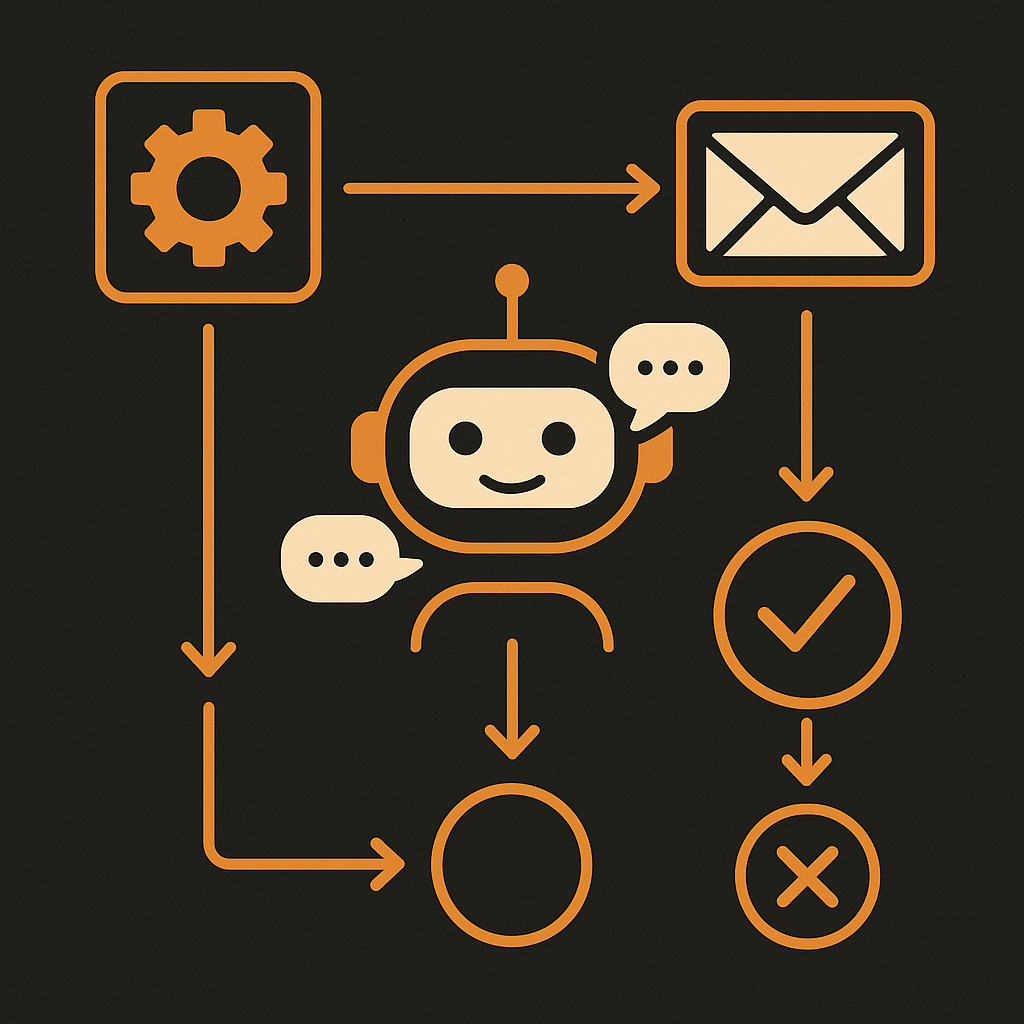
Some customer problems require multiple steps like verifying identity, checking account status, and resetting passwords. Automating these workflows via chatbots reduces tickets that arise from manual handoffs or incomplete information.
For example, a chatbot could guide a customer through resetting a password securely by verifying identity questions and sending reset links — all without human intervention. This eliminates tickets generated from password-related issues.
Leveraging Automations & Workflows can help design such multi-step processes, ensuring that common use cases are handled smoothly and consistently.
4. Proactively Address Issues with AI-Powered Insights
AI analytics can identify trends in support tickets, such as spikes in issues related to a recent product update. With these insights, businesses can proactively update chatbot scripts and knowledge base articles to address emerging problems before customers submit tickets.
For instance, if many users encounter the same error after a software update, the chatbot can proactively provide troubleshooting steps or alert customers about known issues. This proactive approach reduces the number of incoming tickets significantly.
Integrating AI & Analytics tools into your support platform enables continuous monitoring and updating of automated support content to stay ahead of ticket volume increases.
5. Enable Self-Service with Rich Knowledge Bases and Help Centers
Empowering customers to find answers themselves is one of the most effective ways to reduce ticket volume. Chatbots can direct users to relevant articles or videos within a well-maintained knowledge base or help center.
For example, when a customer asks how to update their payment method, the chatbot can instantly provide a direct link to a step-by-step tutorial hosted in your Help Center Control system. This not only resolves the issue quickly but also decreases ticket creation.
Regularly updating and optimizing your knowledge base content based on chatbot interactions and ticket data is key to maximizing self-service effectiveness.
Conclusion: Smarter Support Starts with Chatbots and Automation
Reducing ticket volume is essential to improving operational efficiency and customer experience. By automating common inquiries, triaging tickets intelligently, implementing multi-step automated workflows, leveraging AI insights for proactive support, and enabling rich self-service options, support teams can significantly lower the number of tickets requiring human attention.
To explore how AItocha’s platform helps integrate these capabilities seamlessly, check out our features on chatbots and automation and AI & Analytics. These tools empower your team to handle higher volumes with better quality and faster resolution.
For more insights on using chatbots effectively in customer support, visit our blog post on Chatbots and Automation: Best Practices for Support Teams.
Reducing ticket volume is a continuous journey — starting with smart automation makes it manageable and measurable.