Best Practices
The Complete Guide to Help Desk Best Practices for SaaS Companies

Why Help Desk Excellence Matters for SaaS Companies
In the SaaS business model, customer retention is everything. Unlike traditional sales, SaaS depends heavily on subscription renewals, making ongoing support a major factor in customer satisfaction and lifetime value. Yet many SaaS companies struggle with rising support ticket volumes, inconsistent responses, and slow resolution times.
This guide breaks down proven help desk best practices specifically for SaaS companies. Whether you’re scaling rapidly or aiming to improve your existing support, these actionable strategies can help you deliver consistent, high-quality service.
1. Centralize Customer Communication with an Omnichannel Inbox
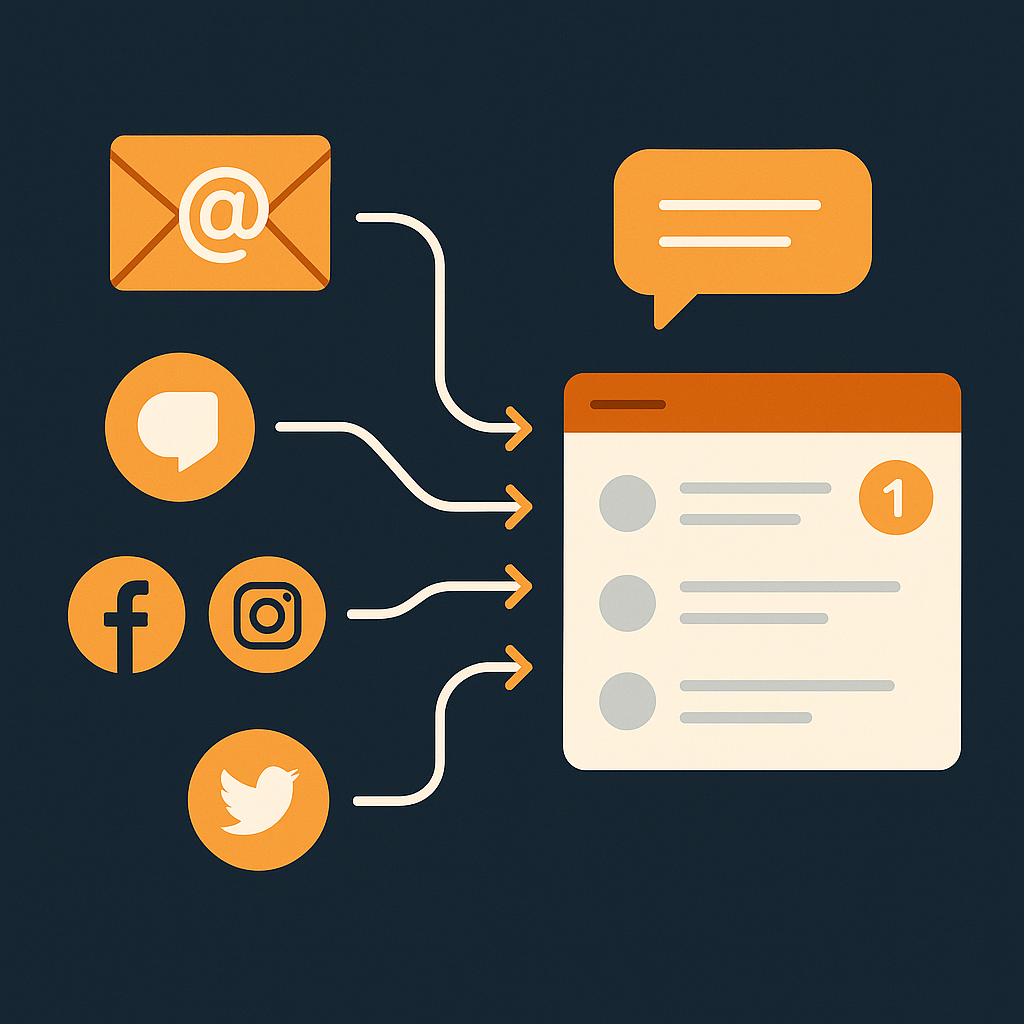
SaaS customers reach out via multiple channels—email, chat, social media, and sometimes phone. Managing these in separate tools causes delays and fragmented information.
Implement an Omnichannel Inbox to bring all interactions into a single platform. This ensures no ticket is overlooked and agents have full customer context, speeding up resolution and improving the customer experience.
2. Build and Maintain a Robust Knowledge Base
A well-organized knowledge base empowers customers to self-serve, reducing ticket volume and wait times. For SaaS products, documentation should cover onboarding guides, troubleshooting steps, feature updates, and FAQs.
Invest time in regularly updating the Knowledge Base with clear, searchable content. Incorporate multimedia like videos and screenshots to help diverse learning preferences.
3. Use Automation to Streamline Repetitive Tasks
Automation can route tickets, send acknowledgments, escalate issues, and even trigger follow-ups without manual intervention. This frees up your support team to focus on complex issues.
Set up Automations & Workflows for common SaaS scenarios like account renewals, password resets, or billing inquiries. This not only accelerates response times but ensures consistency.
4. Prioritize SLA Compliance to Manage Expectations
SaaS customers expect timely responses based on their subscription tier or issue severity. Define clear Service Level Agreements (SLAs) and monitor compliance to uphold your commitments.
Leverage an SLA Compliance tool to track ticket aging and alert agents to approaching deadlines. Transparent SLAs reduce frustration and build trust.
5. Organize Your Support Team with Teams & Queues
Different types of issues may require specialized skills or departments (e.g., technical support, billing, onboarding). Segment your team using Teams & Queues to ensure tickets reach the right experts quickly.
This organization improves response accuracy and reduces resolution times, which are critical metrics for SaaS retention.
6. Implement Quality Assurance and Coaching
Continuous improvement is essential. Establish a process to review agent interactions and provide feedback.
Use a QA & Coaching platform to score tickets based on response quality, tone, and adherence to knowledge base guidelines. Regular coaching sessions help elevate team performance and consistency.
7. Leverage AI & Analytics for Data-Driven Decisions
Analyze support data to identify recurring issues, peak ticket times, and agent performance trends. AI-powered insights can also surface customer sentiment and predict potential churn risks.
Integrate AI & Analytics dashboards to make proactive improvements in product, documentation, and support workflows.
8. Personalize Support for High-Value Customers
Tailor your support based on customer segmentation. Offer priority handling or dedicated account reps for enterprise or high-usage customers.
This personalized approach requires integration between your help desk and CRM systems to access subscription details and usage history. SaaS companies that excel here see higher renewal rates.
9. Measure Key Performance Indicators (KPIs)
Track metrics such as First Response Time, Average Resolution Time, Customer Satisfaction (CSAT), and Net Promoter Score (NPS). These KPIs provide a clear view of your help desk’s health and areas for improvement.
Use customizable Report Builder tools to visualize these KPIs and share insights with stakeholders.
10. Continuously Update Your Help Desk Strategy
SaaS products evolve quickly. Your support approach must adapt accordingly. Regularly review and update your knowledge base, automation rules, SLA targets, and training programs to keep pace with product changes and customer expectations.
Conclusion: Delivering Support That Drives SaaS Growth
Adopting these help desk best practices enables SaaS companies to reduce ticket volume, improve resolution times, and enhance customer satisfaction. Centralizing communication, empowering self-service, automating routine tasks, and leveraging AI insights are foundational to scalable, effective support.
To explore how AItocha can help implement these strategies, check out our All Features page or schedule a Live Demo to see our platform in action.
For deeper insights on knowledge base management and automation, our posts on Knowledge Base Management vs Traditional Support and How Top Companies Use Chatbots and Automation to Scale Customer Support are valuable resources.