Support Operations
The Complete Guide to SaaS Support Operations for SaaS Companies

Why SaaS Support Operations Matter
SaaS companies operate in a fiercely competitive landscape where customer retention hinges largely on support quality. Unlike traditional software, SaaS requires continuous engagement and rapid issue resolution to keep users active and satisfied. Efficient support operations reduce churn, increase upsell opportunities, and build brand loyalty.
Key Pillars of SaaS Support Operations
1. Structuring Your Support Team
A specialized SaaS support team is critical. Roles often include Tier 1 generalists for common issues, Tier 2 technical specialists, and customer success managers focused on proactive engagement. Tools like Teams & Queues help organize and assign tickets efficiently, ensuring the right agent handles each inquiry.
2. Omnichannel Customer Support
Today's customers expect support via multiple channels — email, chat, phone, and social media. Using an Omnichannel Inbox consolidates these interactions into a single interface, reducing response times and improving agent productivity. SaaS companies benefit from including messaging platforms and voice support, which can be integrated through features like WhatsApp & Voice.
3. Leveraging Automation and AI
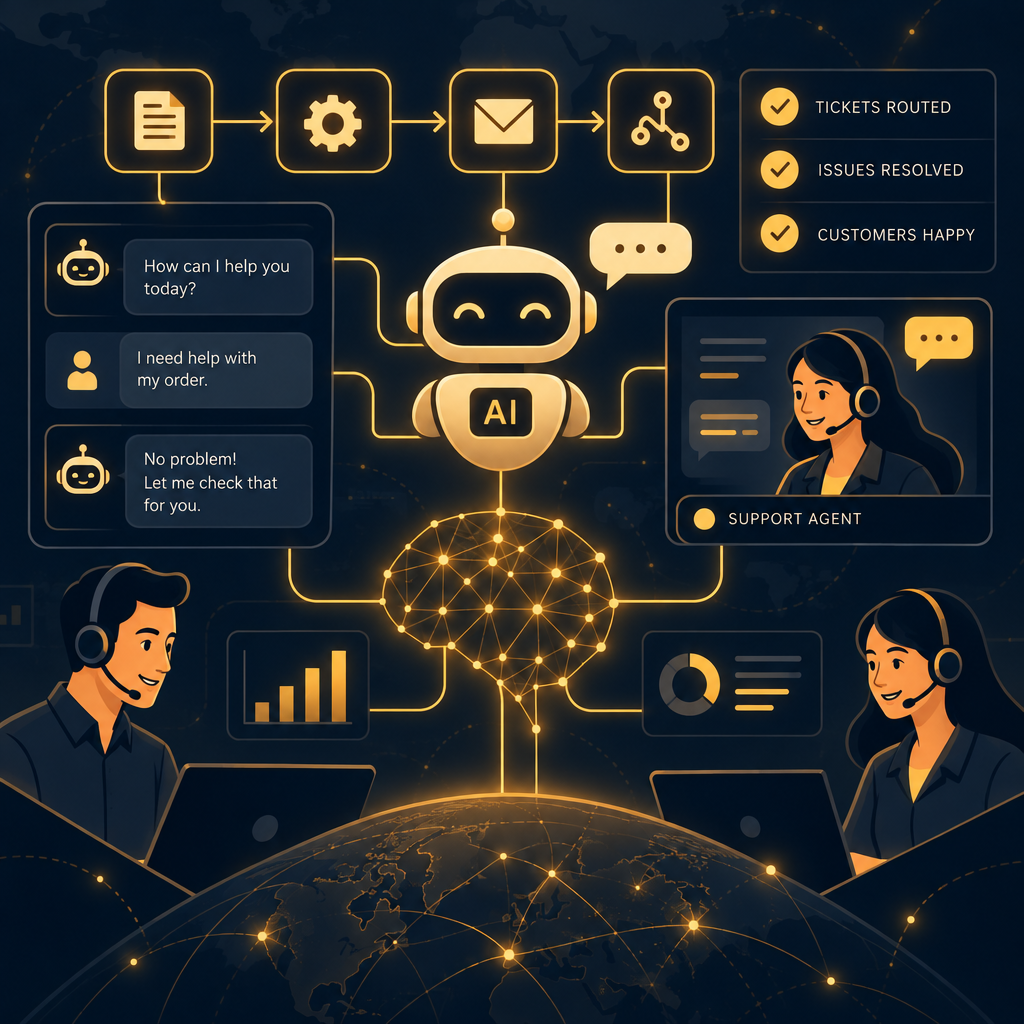
Automation reduces repetitive work, freeing agents to handle complex issues. Implementing Automations & Workflows can auto-route tickets, send status updates, or trigger follow-ups. Conversational AI bots address common questions instantly, cutting ticket volume. For SaaS, automating onboarding support and billing inquiries improves customer experience significantly.
4. Knowledge Base Management
A robust self-service portal minimizes support load. SaaS companies should continuously update and optimize their Knowledge Base with relevant articles, tutorials, and FAQs. Well-maintained knowledge bases empower users to resolve issues independently, which accelerates problem resolution and reduces support costs.
5. Quality Assurance and Coaching
Regular monitoring of agent interactions through QA & Coaching ensures consistent service quality and identifies training needs. SaaS companies can implement scorecards and feedback loops to improve agent performance and customer satisfaction over time.
6. Tracking and Analytics
Data-driven insights are essential for continuous improvement. Using AI & Analytics dashboards, SaaS firms can track ticket volume, resolution time, customer satisfaction scores, and agent productivity. These metrics inform resource allocation and highlight areas requiring attention.
7. SLA Compliance
Meeting Service Level Agreements is crucial to maintain trust and meet contractual obligations. SaaS support operations should monitor SLA adherence via dedicated tools like SLA Compliance to prioritize urgent tickets and avoid penalties.
Best Practices for SaaS Support Operations
- Proactive Support: Use analytics to identify common pain points and reach out before customers report them.
- Personalization: Leverage CRM integrations to tailor support interactions based on customer history.
- Continuous Training: Regularly update team knowledge on product changes and new features.
- Customer Feedback: Collect and act on feedback systematically to improve service.
- Scalability: Build workflows and automation that scale with customer growth.
Real-World Example: Scaling Support with AItocha
A mid-sized SaaS company recently integrated AItocha’s platform to unify their support channels, automate ticket routing, and empower their knowledge base. They saw a 30% reduction in ticket backlog within three months and a 15% increase in customer satisfaction scores. Tools like Automations & Workflows and AI & Analytics gave their support managers real-time insights and control.
Getting Started with SaaS Support Operations
To implement or improve your SaaS support operations, start by evaluating your current workflows and identifying bottlenecks. Then, consider adopting a platform that supports your needs end-to-end, such as AItocha’s comprehensive suite: from Omnichannel Inbox to QA & Coaching. For a hands-on experience, you can Try It Now or schedule a Live Demo.
Conclusion
Effective SaaS support operations combine people, processes, and technology to deliver fast, personalized, and consistent customer service. By structuring teams strategically, embracing omnichannel and automation tools, maintaining a dynamic knowledge base, and focusing on quality and SLA compliance, SaaS companies can enhance customer loyalty and sustain growth.
For further insights, explore our post on How Top Companies Use SaaS Support Operations to Scale Customer Support Efficiently.