Customer Experience
The Future of Knowledge Base Management in Customer Experience
Introduction
As the landscape of customer support evolves, knowledge base management (KBM) becomes increasingly pivotal in shaping customer experience (CX). With the rise of AI and automation, organizations are rethinking how they manage and utilize their knowledge bases to deliver seamless, personalized support. This blog post delves into the future of knowledge base management and offers actionable insights for companies looking to enhance their customer experience.
The Changing Role of Knowledge Bases
Traditionally, knowledge bases served as static repositories of information where customers could find answers to frequently asked questions. However, as customer expectations rise, the role of knowledge bases is shifting towards a more dynamic and interactive resource.
A recent study indicated that 70% of consumers prefer using a company’s website to get answers to their questions instead of contacting customer support directly. This shift underscores the need for knowledge bases that are not only comprehensive but also user-friendly and engaging.
Key Trends Shaping the Future of Knowledge Base Management
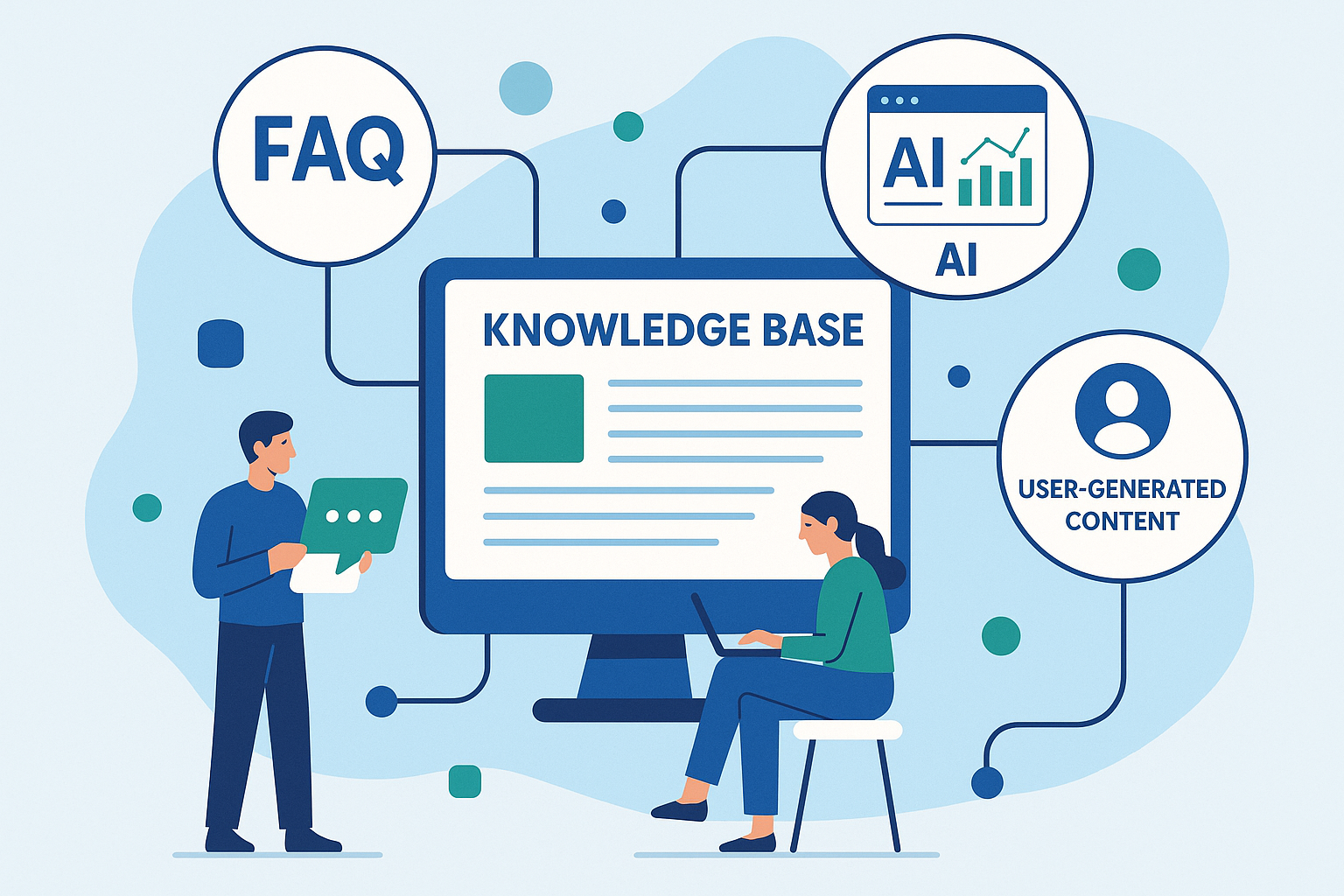
- AI-Powered Search Capabilities
- User-Generated Content
- Personalization
- Multilingual Support
- Integration with Other Support Channels
Best Practices for Effective Knowledge Base Management
- Regular Updates: Ensure content is reviewed and updated regularly to maintain accuracy and relevance. Outdated information can frustrate users and diminish trust.
- User-Friendly Design: Invest in a clean, intuitive interface that allows users to navigate easily. Consider incorporating visual elements like videos or infographics to enhance comprehension.
- Leverage Analytics: Use analytics tools to track which articles are most frequently accessed and which search queries lead to dead ends. This data will guide your content strategy.
- Train Staff: Customer support teams should be well-versed in the knowledge base so they can direct customers effectively. Regular training sessions can keep staff updated on new content and features.
Conclusion
The future of knowledge base management is bright, driven by advancements in AI, user engagement, and personalization. As organizations harness these trends, they can create knowledge bases that not only inform but also enhance the overall customer experience. By adopting best practices and leveraging tools like AItocha’s Knowledge Base, businesses can ensure they’re not just keeping pace with customer expectations, but exceeding them.
Key Takeaways
- Knowledge bases are evolving beyond static repositories to dynamic, personalized resources.
- AI and analytics are crucial for optimizing content and enhancing user experience.
- User engagement through generated content and multilingual support can greatly enrich the knowledge base.
- Integrating knowledge bases with other support channels is essential for a seamless customer experience.