Customer Experience
The Complete Guide to Customer Experience Strategy for SaaS Companies
Introduction
Did you know that 86% of buyers are willing to pay more for a great customer experience? For Software as a Service (SaaS) companies, crafting a robust customer experience (CX) strategy is not just an option; it's a necessity for growth and retention. In an industry where competition is fierce, understanding your customers' journeys and optimizing their experiences can set you apart. This guide dives into actionable strategies that SaaS companies can implement to enhance customer experience and ultimately drive success.
Understanding Customer Experience in SaaS
Customer experience refers to the overall impression customers have of your brand based on their interactions. This includes everything from the onboarding process to customer support and even ongoing product updates. In the SaaS realm, the stakes are high because a poor customer experience can lead to churn, significantly impacting revenue. According to a study, a 5% increase in customer retention can increase profits by 25% to 95%. Therefore, prioritizing CX is essential.
Key Components of a Customer Experience Strategy
A solid customer experience strategy for SaaS companies involves several key components:
1. Customer Journey Mapping
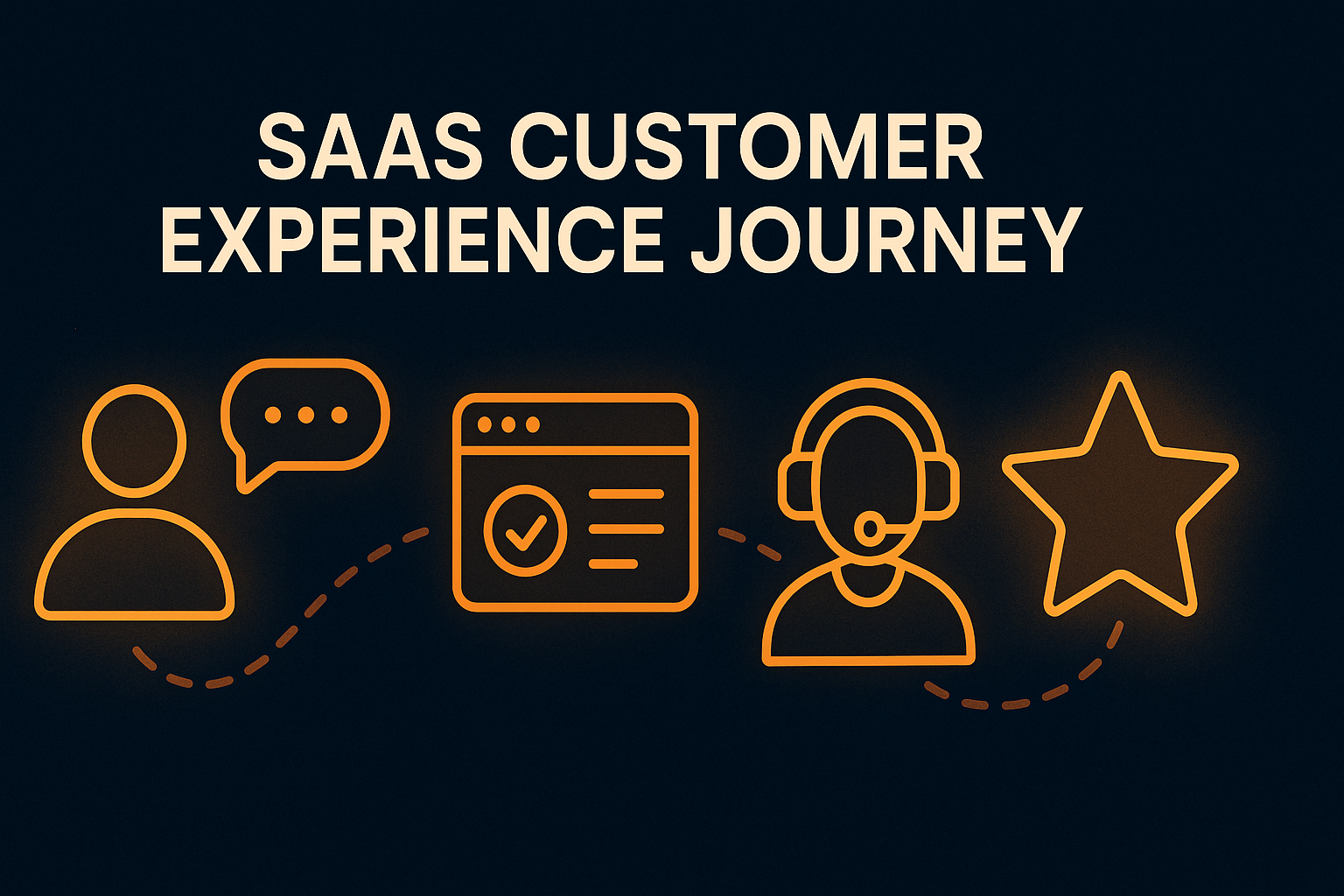
Understanding the customer journey is crucial. Mapping out the various touchpoints—from awareness to purchase and beyond—provides insights into customer needs and pain points. Create a visual representation of the journey to identify where improvements can be made. Tools like the AI & Analytics feature from AItocha can help visualize and analyze customer interactions.
2. Personalized Communication
SaaS companies should leverage data to personalize communication with customers. Use insights from user behavior, preferences, and feedback to tailor messages. For example, if a user frequently accesses a specific feature, consider sending a targeted email with tips or best practices on maximizing that feature's use. This targeted approach fosters a sense of value and attention.
3. Omnichannel Support
Customers expect support across multiple channels—be it email, chat, phone, or social media. Implement an Omnichannel Inbox to ensure that all inquiries are managed in one place. This allows support teams to provide a consistent and seamless experience, regardless of the channel used by the customer.
4. Knowledge Base and Self-Service Options
Offering a comprehensive Knowledge Base empowers customers to find answers on their own. This not only enhances user satisfaction but also reduces the volume of support tickets. Ensure that your knowledge base is easy to navigate and includes FAQs, tutorials, and troubleshooting guides.
5. Regular Feedback Loops
Establishing regular feedback loops is vital. Use surveys and Net Promoter Score (NPS) tools to gauge customer satisfaction. Analyze this feedback to identify trends and areas for improvement. By actively seeking customer opinions, you demonstrate that you value their input, which can strengthen loyalty.
Implementing Your Strategy
Once you’ve defined the components of your customer experience strategy, it's time to implement it. Here are some actionable steps:
1. Set Clear Objectives
Define what you want to achieve with your CX strategy. This could include reducing churn rates, increasing upsell opportunities, or improving customer satisfaction scores. Make these objectives measurable to evaluate success.
2. Leverage Technology
Utilize tools like AI and automation to streamline processes. For example, AI can assist in providing instant responses to common queries through chatbots, which can enhance the customer experience while also freeing up human agents for more complex issues. Explore AItocha’s AI Voice Agents for efficient communication.
3. Train Your Team
Invest in training your customer support team. Equip them with skills to handle various customer scenarios and empower them with knowledge about the product. Regular training ensures your team is up-to-date with the latest features and customer service practices.
4. Monitor and Adjust
Continuously monitor the effectiveness of your CX strategy. Use tools like AI Insights Dashboard to track KPIs and identify areas needing adjustment. Be flexible in your approach and willing to pivot when something isn’t working.
Conclusion
Creating an effective customer experience strategy is paramount for SaaS companies. By understanding customer journeys, personalizing interactions, providing seamless support, and actively seeking feedback, you can significantly enhance customer satisfaction and loyalty. Remember, a great customer experience is not just about solving problems; it’s about creating positive engagements that lead to lasting relationships. Start implementing these strategies today to see measurable improvements in your SaaS business.
Key Takeaways
- Customer experience is essential for SaaS success, impacting retention and revenue.
- Key components include customer journey mapping, personalized communication, and omnichannel support.
- Regular feedback and leveraging technology can optimize your CX strategy.
- Training your team is crucial for effective implementation and ongoing adjustments.